
Primary Source Verification
Every factual data point, code release, and regulatory filing cited is independently cross-referenced against original blockchain logs and public institutional disclosures.


Verified Research Desk Verified Topic Hub
Security: Architecture, Governance & Market Dynamics
Source-linked reporting and research about Security, including market context, technical details and documented risks.
Every factual data point, code release, and regulatory filing cited is independently cross-referenced against original blockchain logs and public institutional disclosures.
Analysis separates promotional marketing claims from verifiable transaction settlement, smart contract events, and transparent liquidity movements.
Detailed examination of private key management, smart contract access controls, multisig governance, and potential counterparty failure points.
Coverage contextualizes technological innovation within jurisdictional licensing boundaries, anti-money laundering mandates, and financial disclosure standards.

Security researchers deploy automated byte-code analyzers to detect hidden mint authorities, blacklist functions, and liquidity unlock schedules in retail tokens.

New regulatory advisory specifies risk-based screening controls, automated address monitoring, and attribution standards for institutional wallet infrastructure.

A comprehensive technical guide to mnemonic recovery phrases, the BIP-39 standard, master seed derivation, physical storage methods, and critical threat models.

How self-custodial, decentralized wallets interface with blockchains: asymmetric cryptography, transaction signing pipelines, RPC communication, and approval threat mitigation.
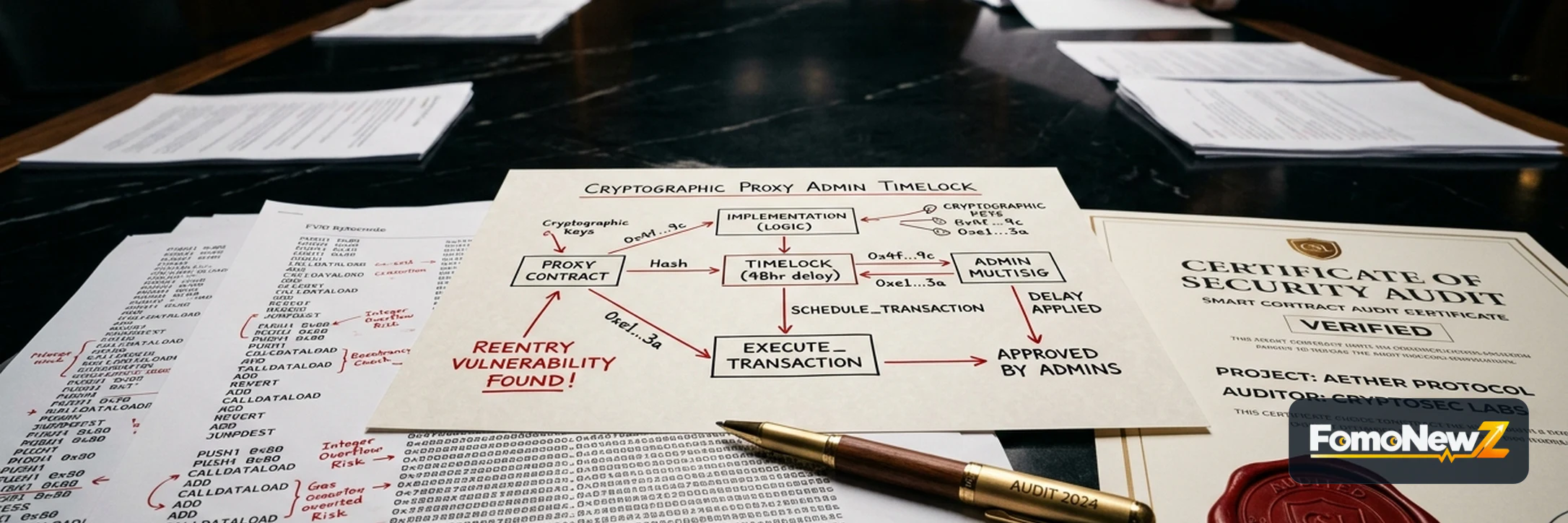
A security audit badge is frequently used as marketing proof of safety, but audits do not guarantee an investment is secure. This guide explains what security auditors actually review, what falls outside their scope, and how to read an audit report.
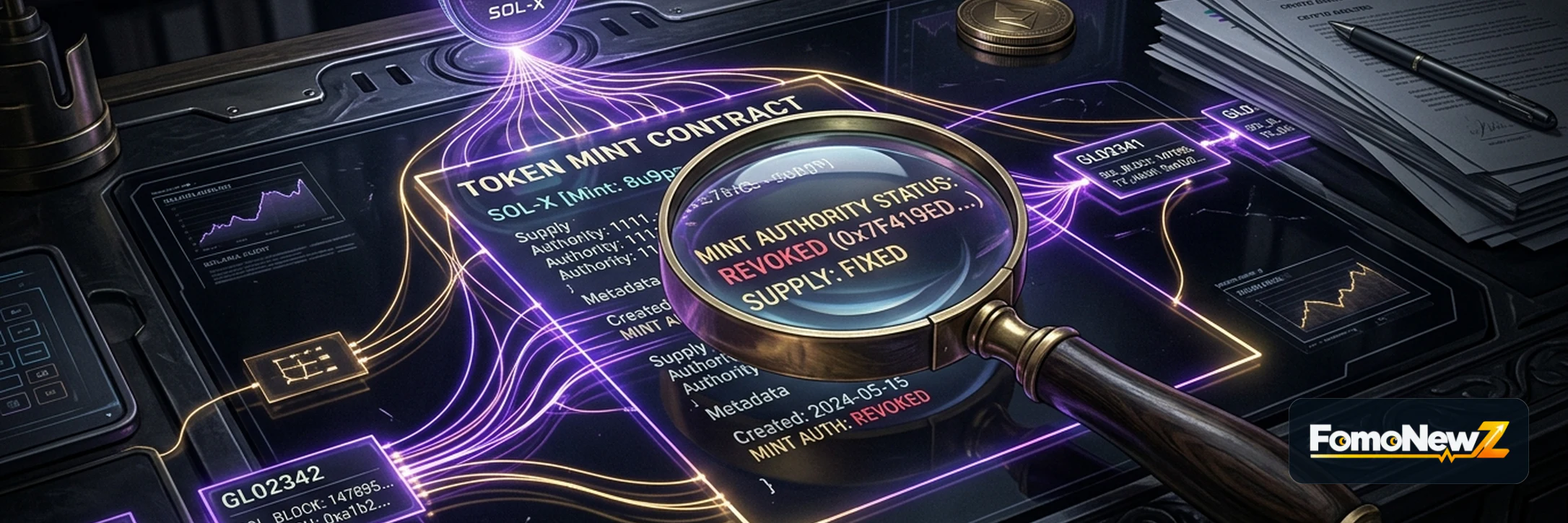
Solana token launches can be created in seconds, but hidden permissions can alter supply or freeze balances without warning. This guide explains how to verify mint revocation, freeze authority removal, and Token-2022 extensions on-chain.
Hardware and software wallets differ in key isolation and workflow, but every self-custody setup succeeds or fails on backup, transaction verification and permission hygiene.

A withdrawal address is not an exit button. Ethereum validators now have more flexible compounding and withdrawal options, but the credential type, network queues and provider terms still determine how funds move.

Bitcoin Core's active release line is a reminder that network resilience depends on routine maintenance, careful verification and many independent operators—not a single price chart.

With Glamsterdam approaching mainnet and Hegotá being scoped, Ethereum's protocol teams are pairing scaling work with post-quantum security, formal verification and a simpler user experience.
The safest wallet setup is one you can recover under pressure without exposing the recovery secret during ordinary use. Here is a practical, product-neutral workflow.

Comparing dynamic tokenization, Apple Pay integration, contactless payments, ATM cash withdrawal rails, and physical EMV chip vulnerabilities across crypto card deployments.
A forensic methodology to audit exchange security postures, Merkle tree reserves, cold storage hygiene, and insolvency warning signs.
An institutional-grade protocol for air-gapped key generation, verifying cryptographic signatures, and configuring multisig vaults.
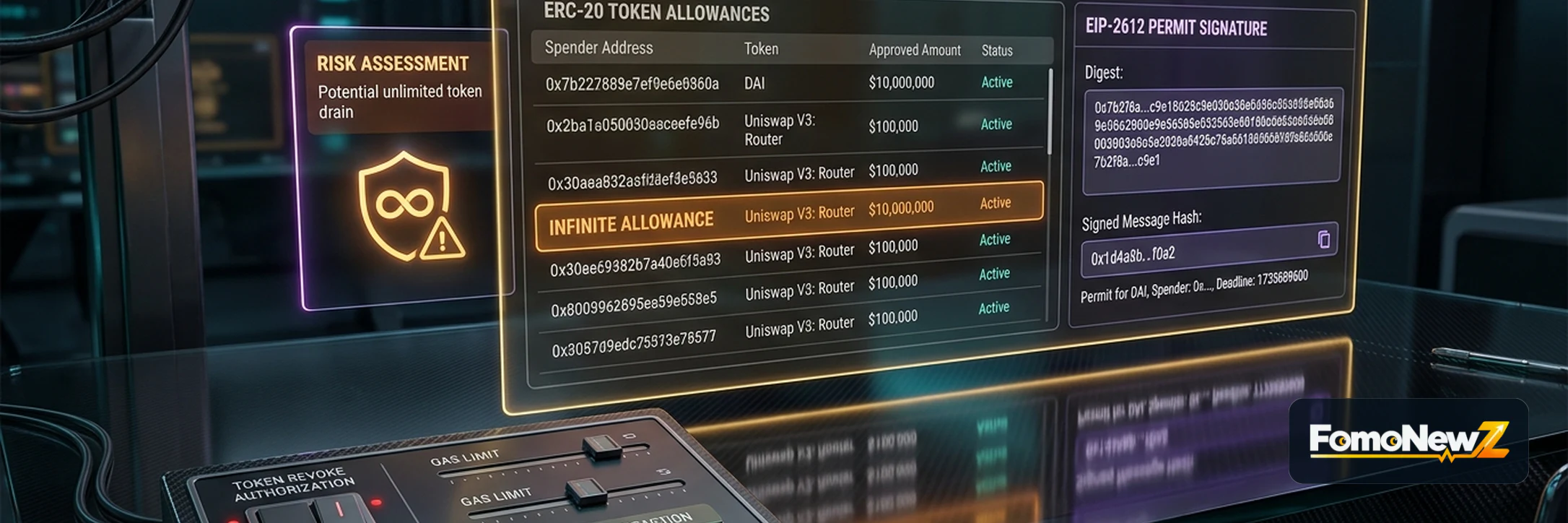
How ERC-20 allowances work, how drainers exploit infinite approvals, and how to audit and revoke permissions safely.
Hardening your secret recovery phrase against physical degradation, house fires, theft, and operational single points of failure.
A comprehensive architectural breakdown comparing air-gapped cold storage against browser and mobile software wallets.
A systematic verification framework to evaluate operator licensing, smart contract risk, withdrawal constraints, and rogue mirror domains.
A clear framework for recovery phrases, device security and choosing between hardware and software wallets.
Counterparty risk occurs when a centralized exchange or custodian commingles customer deposits, lends assets to undercollateralized borrowers, or speculates with proprietary capital. When market liquidations occur or depositors initiate bank runs, fractional-reserve custodians cannot fulfill redemption demands, leading to bankruptcy freezes.
The foundation of cold storage requires never entering your 12-to-24 word BIP-39 recovery seed on any internet-connected computer, phone, or cloud backup. Physical seed phrases must be etched in fireproof stainless steel, verified directly on the hardware screen during transactions, and segregated using passphrase extensions.
Independent audit firms (such as OpenZeppelin, CertiK, and Trail of Bits) inspect code for reentrancy bugs, integer overflows, privilege escalations, and logic flaws. However, an audit is not an insurance policy; audits cannot guarantee security against zero-day economic attack vectors, flash-loan price manipulation, or administrative key compromises.
When traders maintain high leverage on perpetual contracts, small price retracements push position equity below mandatory maintenance margin levels. Automated risk engines forcibly execute market sell orders to protect exchange capital, triggering a chain reaction that exhausts order book depth and causes flash crashes.
Centralized stablecoin issuers (like Tether and Circle) possess programmatic contract capabilities to freeze USDT and USDC addresses identified on OFAC sanction lists. Non-custodial base assets like native Bitcoin and Ethereum cannot be frozen at the protocol consensus layer, but blacklisted addresses face rejection at compliant exchange on-ramps.
Cross-chain bridges lock collateral assets on one blockchain to mint wrapped synthetic representations on another. Because bridge smart contracts hold massive multi-hundred-million-dollar liquidity honeypots and rely on complex multi-signature validator relays, cryptographic vulnerabilities or validator key compromises have historically led to multi-billion-dollar exploits.