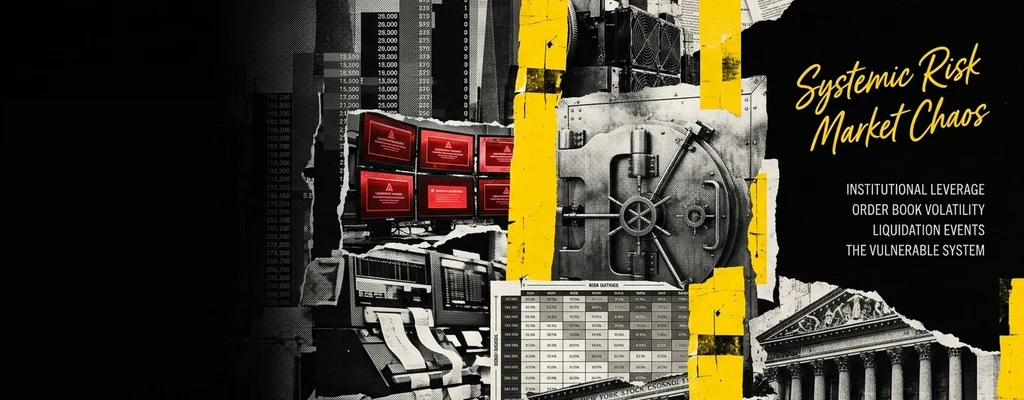
Smart Contract Logic Flaws & Oracles
Immutable protocol code can harbor critical vulnerabilities such as reentrancy, integer overflows, and flash-loan spot price manipulation that instantly drain lending pools.


Security & Capital Preservation Verified Topic Hub
Smart Contract Vulnerabilities, Solvency & Threat Vectors
Navigating digital asset risks requires separating transient market volatility from systemic security flaws, custodial insolvency, and irreversible smart contract exploitations.
Immutable protocol code can harbor critical vulnerabilities such as reentrancy, integer overflows, and flash-loan spot price manipulation that instantly drain lending pools.
Assets deposited on centralized exchanges represent unsecured IOUs. In the event of fraudulent commingling or leveraged trading losses, account balances face bankruptcy freezes.
Borrowing against collateral requires continuous monitoring of loan-to-value (LTV) ratios. Sudden price drops trigger programmatic liquidations with punitive penalty fees.
Malicious off-chain signatures (EIP-712) and unbounded token allowances can empty non-custodial wallets without attackers needing to compromise private seed phrases.

Security researchers deploy automated byte-code analyzers to detect hidden mint authorities, blacklist functions, and liquidity unlock schedules in retail tokens.

A security audit badge is frequently used as marketing proof of safety, but audits do not guarantee an investment is secure. This guide explains what security auditors actually review, what falls outside their scope, and how to read an audit report.

A high market capitalization is meaningless if there is not enough liquidity to sell. This guide details how AMM pools price trades, how LP burns and locks work, and how holder concentration creates severe exit slippage.
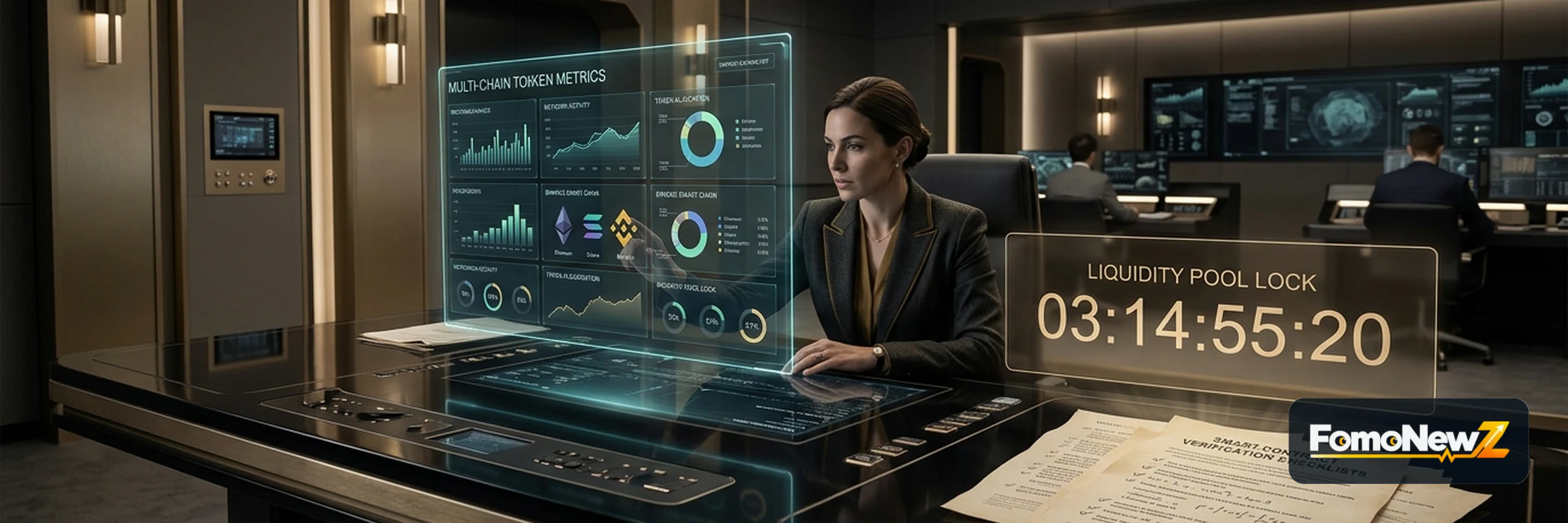
A launchpad listing is not a quality signal. This guide separates project terms, allocation rules, contract permissions, vesting, eligibility and wallet-connection risk.

A crypto deposit is not proof that a gambling site is legitimate. Check licensing, local eligibility, withdrawal rules, game fairness, account controls and support before risking funds.

A filing-first method for separating operating exposure, treasury holdings and management narratives in crypto-linked stocks.
How to examine token contracts, liquidity, distribution and communications before treating attention as evidence.
Counterparty risk occurs when a centralized exchange or custodian commingles customer deposits, lends assets to undercollateralized borrowers, or speculates with proprietary capital. When market liquidations occur or depositors initiate bank runs, fractional-reserve custodians cannot fulfill redemption demands, leading to bankruptcy freezes.
The foundation of cold storage requires never entering your 12-to-24 word BIP-39 recovery seed on any internet-connected computer, phone, or cloud backup. Physical seed phrases must be etched in fireproof stainless steel, verified directly on the hardware screen during transactions, and segregated using passphrase extensions.
Independent audit firms (such as OpenZeppelin, CertiK, and Trail of Bits) inspect code for reentrancy bugs, integer overflows, privilege escalations, and logic flaws. However, an audit is not an insurance policy; audits cannot guarantee security against zero-day economic attack vectors, flash-loan price manipulation, or administrative key compromises.
When traders maintain high leverage on perpetual contracts, small price retracements push position equity below mandatory maintenance margin levels. Automated risk engines forcibly execute market sell orders to protect exchange capital, triggering a chain reaction that exhausts order book depth and causes flash crashes.
Centralized stablecoin issuers (like Tether and Circle) possess programmatic contract capabilities to freeze USDT and USDC addresses identified on OFAC sanction lists. Non-custodial base assets like native Bitcoin and Ethereum cannot be frozen at the protocol consensus layer, but blacklisted addresses face rejection at compliant exchange on-ramps.
Cross-chain bridges lock collateral assets on one blockchain to mint wrapped synthetic representations on another. Because bridge smart contracts hold massive multi-hundred-million-dollar liquidity honeypots and rely on complex multi-signature validator relays, cryptographic vulnerabilities or validator key compromises have historically led to multi-billion-dollar exploits.