What is the structural difference between Layer-1 and Layer-2 blockchains?▾
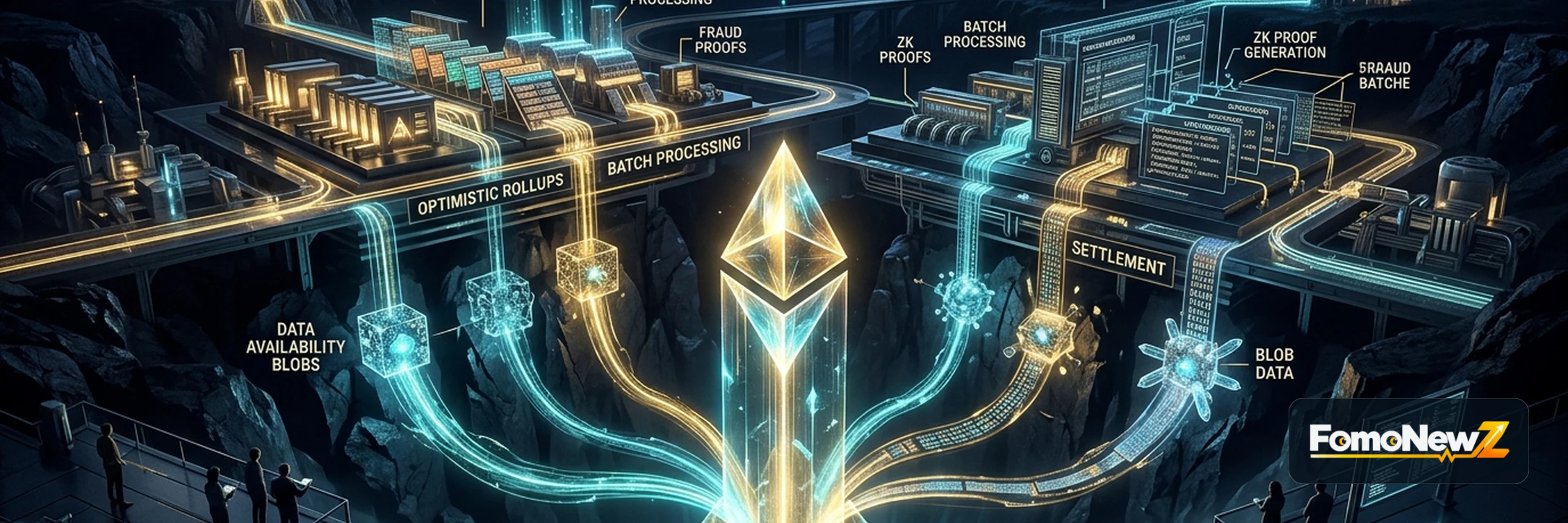
Layer-1 blockchains (such as Ethereum, Solana, Avalanche, and Cardano) establish their own native consensus mechanisms and base settlement security. Layer-2 rollups (such as Arbitrum, Optimism, and Base) bundle execution off-chain to achieve high throughput and micro-fees, periodically settling cryptographic state roots back to the Layer-1 base layer.
What systemic risks are present in Liquid Staking Derivatives (LSDs)?▾
Liquid staking unlocks locked validator capital by issuing tradeable receipt tokens (such as stETH, mSOL). Primary risks include secondary market liquidity de-pegs, smart contract vulnerabilities, validator slashing events, and governance centralization across dominant staking pools.
How does Bitcoin Dominance (BTC.D) signal capital rotation into Altcoins?▾
Bitcoin Dominance measures BTC's market capitalization as a percentage of the total crypto asset class. A decisive breakdown in BTC dominance during expanding total market capitalization typically indicates capital rotation out of sovereign reserve assets into high-beta Layer-1 ecosystems, Layer-2 rollups, and DeFi protocols.
How should multi-chain altcoin holdings be secured off centralized exchanges?▾
To eliminate centralized exchange insolvency risk, investors holding diverse multi-chain assets across EVM, Solana, and XRPL should utilize tamper-resistant hardware wallets with EAL6+ certified Secure Elements that isolate private keys from internet-connected devices.