


Chapter 01
The fundamental architectural divide: Where private keys reside
In the cryptocurrency paradigm, ownership of digital assets is determined entirely by possession of cryptographic private keys. Whosoever controls the private key holds unilateral authority to sign blockchain transactions and transfer funds. Therefore, the core architectural distinction between wallet types boils down to a single question: where do your private keys physically live?
Software wallets (hot wallets) generate and store encrypted private keys directly on general-purpose consumer devices—such as laptops, desktop computers, and smartphones. Hardware wallets (cold storage), conversely, isolate private keys within dedicated, hardened microcontroller chips physically separated from connected computer operating systems.
This architectural distinction establishes two completely different trust models. Hot wallets trade key isolation for immediate application access, while cold storage prioritizes defense against remote cyber threats at the cost of slight physical friction.
Chapter 02
Software hot wallets: Agility, Web3 utility, and attack surfaces
Software wallets—exemplified by browser extensions like MetaMask and Phantom, and mobile apps like Trust Wallet—provide unparalleled convenience. They enable instant interaction with decentralized finance (DeFi) protocols, NFT marketplaces, and decentralized exchanges (DEXs) with zero peripheral hardware required.
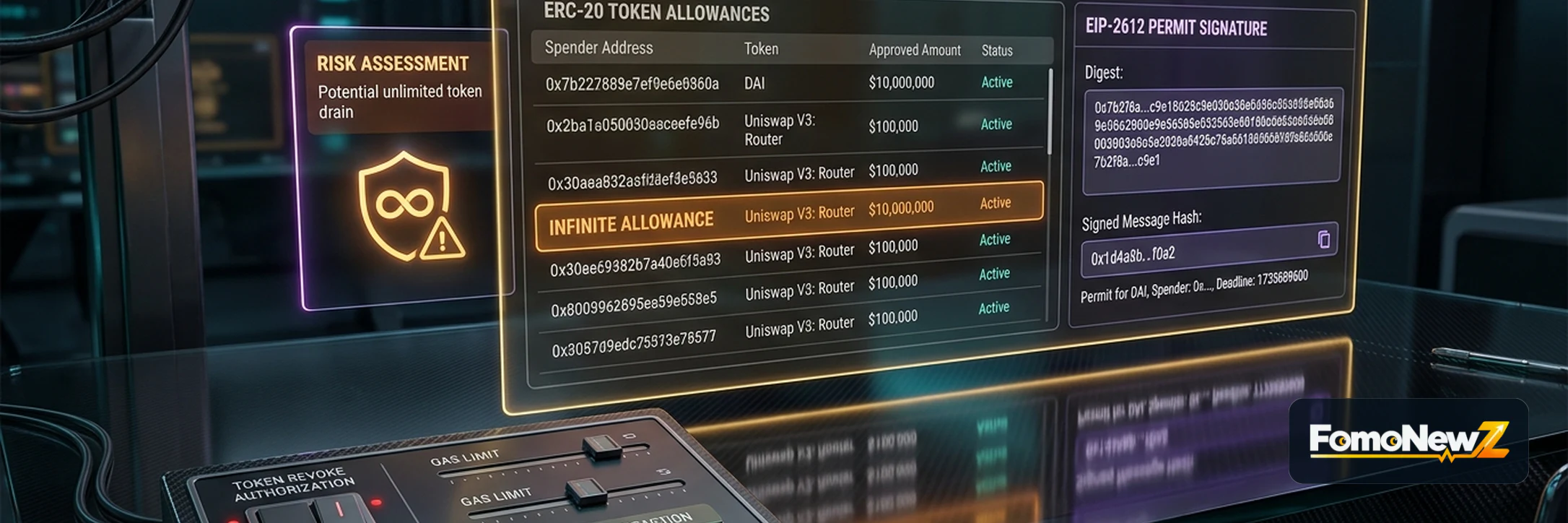
However, this convenience comes with substantial systemic risk. Because the host device is perpetually connected to the internet, private keys share memory space with operating system processes, web browsers, and third-party applications. This exposes keys to remote attack vectors, including malicious browser extensions, memory scrapers, clipboard-hijacking malware, and operating system zero-day vulnerabilities.
A single compromised browser extension or malicious background script on your desktop computer can extract software wallet vault files or swap pasted recipient addresses in memory, resulting in total balance loss.
Chapter 03
Hardware cold wallets: Secure element chips and air-gapped signing
Hardware wallets—such as Ledger, Trezor, and Keystone—are purpose-built security appliances engineered under zero-trust principles. High-end devices utilize banking-grade Secure Element (SE) chips certified at Common Criteria EAL6+, designed to withstand sophisticated physical probing, power analysis, and side-channel fault attacks.
Crucially, the private key never leaves the device during a transaction. When you execute an outgoing transfer or smart contract interaction, the raw unsigned transaction data is transmitted to the hardware device via USB, Bluetooth, or air-gapped QR codes. The device displays the destination address and value on its independent tamper-proof screen, requiring physical button presses to sign the payload internally before returning the signed hash to the host.
Because signing occurs in hardware memory isolated from the computer operating system, an infected computer cannot extract the private key or manipulate transaction parameters without triggering immediate visual detection on the device display.
Chapter 04
Physical attack vectors versus remote extraction threats
Evaluating wallet security requires analyzing specific threat models. Software wallets are completely immune to physical device theft in your home, but are perpetually exposed to anonymous, scalable remote attacks from anywhere on the globe without the attacker ever needing physical proximity.
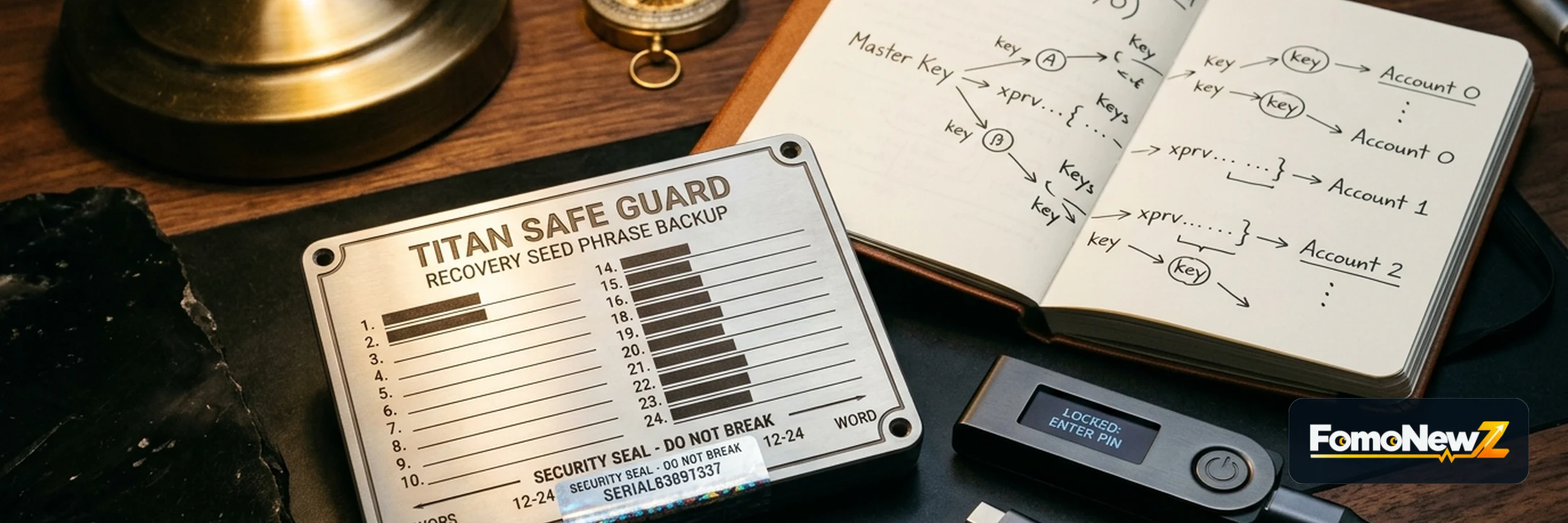
Hardware wallets reverse this threat profile. Remote malware cannot bridge the physical air-gap or press the physical confirmation buttons. The threat to hardware wallets is physical: device loss, supply chain tampering, or physical extortion. However, PIN protection, automatic wipe features after consecutive incorrect attempts, and optional BIP-39 passphrases provide deep defense-in-depth against physical possession attacks.
Chapter 05
The hybrid paradigm: Pairing hardware keys with software interfaces
Fortunately, users do not have to choose between hardware security and software convenience. Modern Web3 software wallets support native hardware wallet integration. In this configuration, MetaMask or Phantom serves strictly as a graphical user interface for browsing dApps and assembling transactions.
When you submit a trade on Uniswap or sign an authorization on Aave, MetaMask forwards the transaction to your connected Ledger or Trezor for physical confirmation. This hybrid setup combines the broad protocol compatibility of software wallets with the uncompromised private key isolation of hardware cold storage.
By employing this hybrid approach, users enjoy full access to cutting-edge decentralized protocols while keeping their master private keys safely air-gapped from internet-connected malware.
Chapter 06
Strategic portfolio segmentation framework
Institutional custody practitioners employ a tiered wallet strategy. Rather than consolidating all assets into a single tool, divide your holdings into three operational tiers based on velocity and risk.
Keep 80% to 90% of your net crypto wealth in deep cold storage on a dedicated hardware wallet (or multi-signature setup) that never connects to experimental smart contracts. Maintain 10% to 15% on a secondary hardware device for active DeFi lending and staking. Restrict standalone software hot wallets to 1% to 5% of your portfolio, utilizing them purely as transactional 'pocket money' for daily mints and small transfers.