

PRIMARY STABLECOIN NEWS DESK

StablecoinsNews today

LIQUIDITY RAILS. RESERVES TRANSPARENCY. DIGITAL DOLLARS.

Read stablecoin news today on USDT, USDC, payments, reserves and regulation. Follow issuer developments and digital-dollar analysis from FomoNewz.

01 / THE STABLECOIN DESK

Latest Stablecoin News

Full Stablecoins Archive
Showing 14 stories
Show more storiesVerified FomoNewZ Reporting

02 / THE STABLECOIN DESK

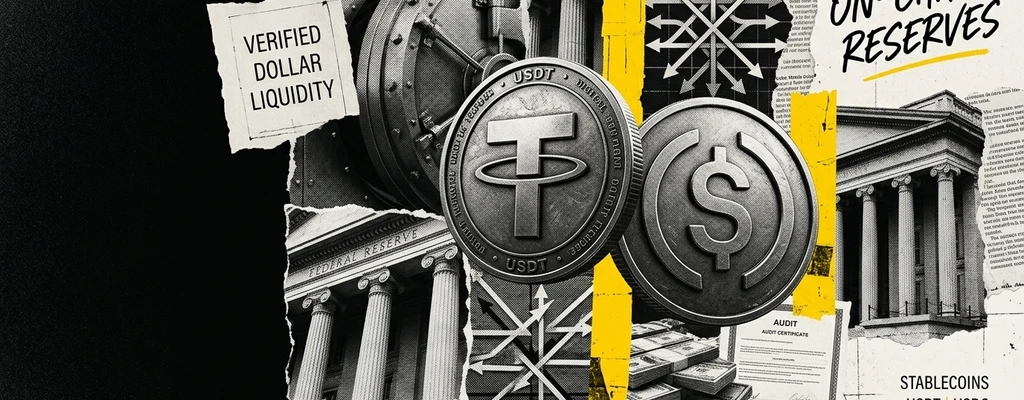
USDT & USDC Updates

Tether (BDO) vs. Circle (Deloitte) Reserves, Issuance & Compliance

Compare the top global stablecoin issuers powering worldwide cross-border payments and exchange liquidity. Data tracks confirmed reserve attestations, custodial banking partners, and regulatory compliance.

BDO Italia · Deloitte Audited · U.S. T-Bills

Compare Dollar Stablecoins

TickerIssuerPrimary BackingAuditor / AttestationMiCA StatusPrimary Settlement Rails
USDTTether Operations LtdU.S. T-Bills (~84%), Repos, Cash, BTCBDO Italia (Quarterly)Non-EMT (Offshore Focus)Tron, Ethereum, Solana, TON
USDCCircle Internet FinancialCircle Reserve Fund (BlackRock), CashDeloitte (Monthly)Fully Authorized EMT (France)Ethereum, Solana, Base, Arbitrum
USDeEthena LabsDelta-Neutral Futures & Staked ETHCustodial Proof-of-ReserveSynthetic / DeFi NativeEthereum, Mantle, Solana
PYUSDPaxos Trust CompanyU.S. T-Bills & Bank DepositsWithumSmith+BrownU.S. NYDFS RegulatedSolana, Ethereum

Data compiled from monthly public attestation reports, issuer regulatory disclosures, and blockchain circulation analytics.

4 assets

03 / THE STABLECOIN DESK

Reserves & Regulation

European MiCA Compliance, Treasury Backing & Systemic Risk

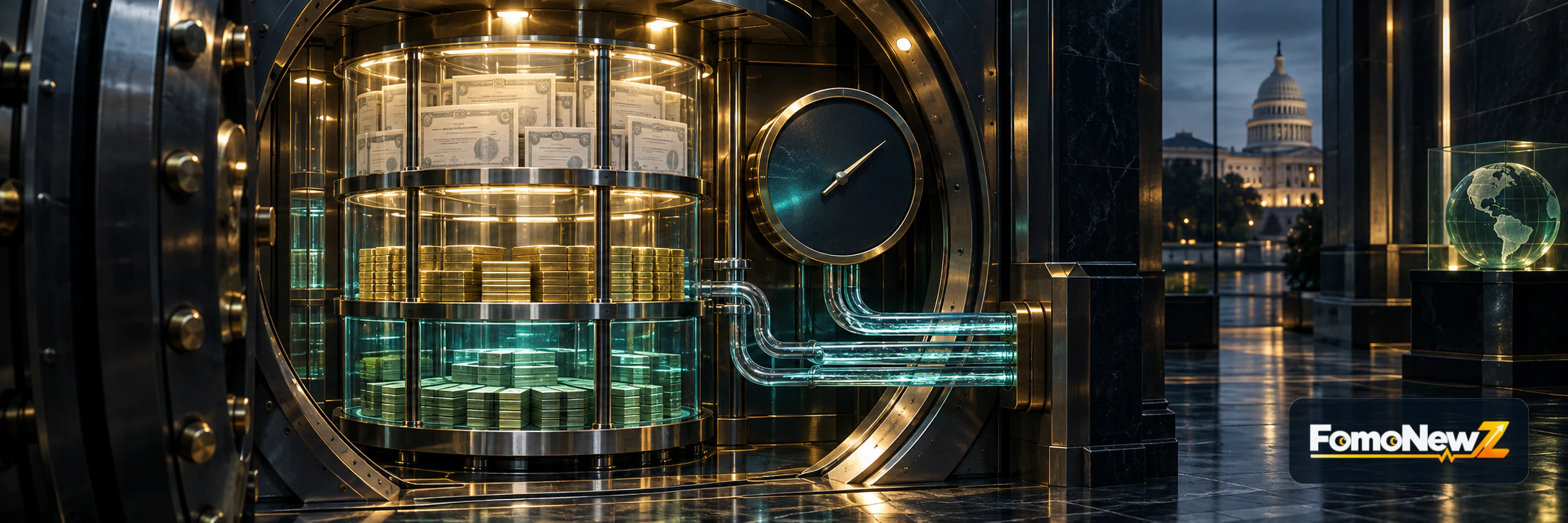
Global Stablecoins Reserve Infrastructure
THE BACKING

Liquid
reserves.

T-Bills. Reverse Repos. Cash.

>80%held in direct short-term U.S. Treasury Bills
01

European MiCA E-Money Token (EMT) Framework

The EU's MiCA framework enforces stringent prudential requirements for stablecoin issuers, mandating that 60% of reserve capital be deposited across multiple independent European credit institutions to prevent single-bank insolvency spillovers.

02

Sovereign Debt Demand & Yield Transmission

Stablecoin issuers have collectively become top-20 global holders of short-term U.S. Treasury debt, surpassing many sovereign nations. In high interest-rate environments, reserve yields generate billions in net operational margins for asset custodians.

04 / THE STABLECOIN DESK

Stablecoin Market Analysis

Peg Deviation, Curve Pool Liquidity & Cross-Chain Velocity

Stablecoins constitute the monetary base of digital asset trading and cross-border settlement. FomoNewZ monitors real-time peg parity across major exchanges, decentralized liquidity pool balances, and net issuance velocity.

Peg Health & LiquidityReal-Time

  • Tether (USDT) Peg$1.0001 (Parity)
  • Circle (USDC) Peg$0.9999 (Parity)
  • Curve 3Pool RatioBalanced Liquidity
  • Max 30d Deviation< 0.08%
  • Redemption LatencyT+0 Institutional

Reserve BreakdownAudited

  • U.S. Treasury Bills~82% of Backing
  • Overnight Reverse Repos~11% Allocation
  • Bank Cash Deposits~5% Tier-1 Banks
  • Other Collateral~2% Commodities/BTC
  • Coverage Ratio>100% Fully Backed

Settlement VolumeDaily Velocity

  • Tron (TRC-20) Share~50% Global USDT
  • Ethereum (ERC-20)High Value Settlement
  • Solana (SPL)Fast Growth (Retail)
  • 24h Transfer Volume>$80 Billion
  • Regulatory OutlookMiCA & U.S. Clarity

05 / THE STABLECOIN DESK

Stablecoin Guides & Resources

Explore all guides

06 / THE STABLECOIN DESK

Frequently
Asked Questions.

Reserve audits, MiCA compliance, synthetic yield dollars, and redemption mechanisms.

Visit our comprehensive FAQ hub
01

How do Tether (USDT) and Circle (USDC) maintain their reserve backing?

Both issuers maintain dollar-for-dollar backing primarily held in ultra-liquid U.S. Treasury bills, overnight reverse repurchase agreements, and commercial bank deposits. Attestation reports are verified quarterly by independent audit firms (BDO Italia for Tether, Deloitte for Circle).

02

What is the impact of Europe's MiCA regulation on stablecoin issuers?

The European Union's Markets in Crypto-Assets (MiCA) framework mandates that fiat-referenced stablecoins operate as licensed Electronic Money Institutions (EMIs). It requires issuers to maintain at least 60% of backing reserves in segregated European commercial bank accounts.

03

How do synthetic yield dollars (e.g. Ethena USDe) differ from fiat-backed stablecoins?

While USDT and USDC hold cash and government debt in custodial institutions, synthetic dollars like Ethena's USDe generate yield by holding spot crypto assets (ETH/BTC) alongside a matching short perpetual futures position, achieving a delta-neutral hedge outside traditional banking rails.

04

How does the primary redemption mechanism preserve the $1.00 peg?

Authorized institutional participants can always redeem 1 unit of USDT or USDC for exactly $1.00 USD directly with the issuer. If market prices temporarily deviate, arbitrageurs buy discounted tokens to redeem at par or mint at $1.00 to sell above peg, rapidly restoring equilibrium.

EDITORIAL POLICY

FomoNewZ news reporting and on-chain analytics are derived strictly from verifiable primary sources, including published auditor attestation reports, central bank regulatory filings, verified custodian reserve disclosures, and raw on-chain mint/burn event logs. FomoNewZ does not provide investment or financial advice.