


Liquidity Lock & Contract Renunciation
Legitimacy audits begin with confirming that liquidity pool (LP) tokens were permanently sent to burn addresses or locked in verified smart contracts to preclude rug pulls.
Speculative Token Dynamics Verified Topic Hub
Bonding Curves, LP Verification & Wallet Clusters
Meme coins derive value almost exclusively from social engagement, community virality, and speculative liquidity rotation rather than fundamental cash flows or operational revenue.
Legitimacy audits begin with confirming that liquidity pool (LP) tokens were permanently sent to burn addresses or locked in verified smart contracts to preclude rug pulls.
Sniper bots and deployers frequently disperse concentrated supply across dozens of stealth sub-wallets, generating the illusion of organic holder decentralization.
Platforms like pump.fun issue tokens along strict deterministic pricing formulas. Once liquidity reaches predefined thresholds, automated migration to DEX AMMs initiates.
Unlike revenue-generating assets, meme tokens suffer catastrophic illiquidity once social media engagement migrates to newer narratives, trapping late buyers.

A high-profile social media post from pseudonymous trader Kimchi catalyzed a $15 million peak before an instant 98% collapse. On-chain forensics flag severe retail liquidity stress across Pump.fun pools.

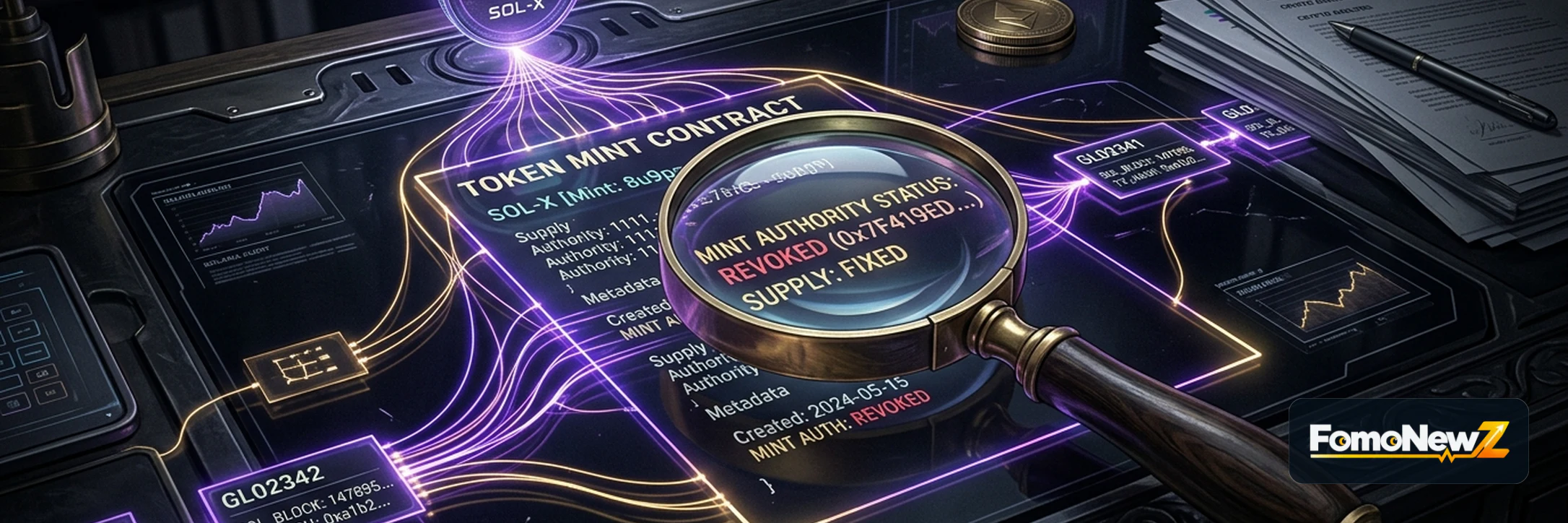
Security researchers deploy automated byte-code analyzers to detect hidden mint authorities, blacklist functions, and liquidity unlock schedules in retail tokens.
Automated liquidity bonding curve mechanisms transform retail token creation while creating unprecedented on-chain transaction velocity.

How to examine token contracts, liquidity, distribution and communications before treating attention as evidence.
Meme coins derive primary market value from community virality, social media sentiment, and cultural memes rather than underlying software cash flows or protocol fees. While utility tokens like ETH or SOL subsidize distributed computation, meme coins function predominantly as hyper-liquid speculative instruments driven by narrative momentum.
Bonding curves use automated mathematical formulas where token prices rise predictably as market participants purchase tokens from the contract reserve. Once cumulative purchases achieve a predetermined capital threshold (such as $69,000 or $100,000 market cap), the contract automatically migrates reserves to a decentralized exchange (like Raydium or Uniswap) and burns the liquidity provider (LP) tokens permanently.
Critical warning signs include unrevoked mint authorities (allowing deployers to create infinite tokens), unburned liquidity provider tokens, blacklisting functions, high transfer taxes (honeypots), and heavy wallet cluster concentrations where deployer insider groups control more than 15-20% of circulating supply.
Locked or burned liquidity ensures the original deployer cannot withdraw the backing cryptocurrency (SOL, ETH) from the liquidity pool, leaving buyers with unsellable tokens. Verifying that 100% of LP tokens are sent to a verifiable burn address (e.g., 0x000...dead) or locked in audited time-lock smart contracts is the foundational baseline for public trading.
Circulating market cap measures the current token price multiplied exclusively by available, liquid tokens in open circulation. Fully Diluted Valuation (FDV) measures the theoretical market capitalization if 100% of the maximum token supply were unlocked. In meme coins, large disparities between market cap and FDV indicate future dilution risk from team vesting unlocks.
Many meme tokens implement custom transfer fees (such as 5% marketing or burn fees) encoded into their smart contracts. Combined with priority blockchain gas fees, MEV sandwich-bot attacks, and slippage tolerance during violent price moves, round-trip trading costs can exceed 10-15%, requiring substantial price expansion just to break even.