


Chapter 01
How Decentralized Wallets Work: Key Generation & Local Signing
A decentralized wallet—frequently termed a self-custodial or non-custodial wallet—is an application that allows users to interact directly with public blockchain networks without relying on an intermediary financial institution.
Contrary to popular terminology, a decentralized wallet does not store coins or tokens inside the device. All cryptocurrencies exist exclusively as cryptographic ledger entries on the blockchain. Instead, the wallet stores the private keys required to authorize transactions and manipulate those ledger entries.
When you perform a transaction (such as sending Bitcoin or swapping tokens on a decentralized exchange), the transaction payload is constructed locally on your device. The software signs the payload using your private key via asymmetric cryptography (such as ECDSA secp256k1 or Ed25519). Only the cryptographically signed transaction data is broadcast to the network through Remote Procedure Call (RPC) nodes to enter the mempool. At no point does your private key travel across the network.
Chapter 02
Custody Models Compared: Self-Custody vs Exchanges vs Smart Contract Wallets
Understanding who controls the private keys is the foundation of digital asset risk management. When funds reside on a centralized exchange, you hold an unsecured debt claim against the platform rather than direct ownership of cryptocurrency.
| Custody Model | Private Key Controller | Recovery Mechanism | Smart Contract Risks | Centralized Counterparty Risk |
|---|---|---|---|---|
| Centralized Exchange (Custodial) | The Exchange Operator | Customer support / Password reset | None (off-chain ledgers) | High (insolvency, freezes, withdrawal halts) |
| Non-Custodial EOA (MetaMask, Rabby) | User exclusively | BIP-39 Seed Phrase | Medium (user signature mistakes) | Zero (direct protocol access) |
| Smart Contract Wallet (Safe, Argent) | Programmable logic / Multi-sig | Social recovery / Guardians | High (code bugs, upgrade vulnerabilities) | Zero (governed by contract code) |
| Multi-Party Computation (MPC) | Distributed mathematical shares | Distributed threshold recovery | Low | Low (requires collusion to compromise) |
The events surrounding the collapses of centralized platforms like FTX, Celsius, and BlockFi demonstrated the critical importance of self-custody: if you do not hold the private keys, you do not control the coins.
Chapter 03
Benefits and Unforgiving Trade-offs of True Sovereignty
Decentralized wallets offer unprecedented financial freedom, but this autonomy eliminates the traditional consumer protections provided by commercial banks:
- Unrestricted Financial Sovereignty: No corporate entity or government agency can freeze your balance, decline legitimate transactions, or impose arbitrary withdrawal limits on a self-custodial wallet.
- Permissionless DeFi Integration: Decentralized wallets serve as digital passports across Web3 protocols, granting immediate access to decentralized exchanges, liquidity pools, lending markets, and governance platforms without KYC requirements.
- Irrevocable Finality: In blockchain networks, transactions cannot be reversed. If you send funds to an incorrect address or execute a transaction with an erroneous smart contract, there is no dispute desk or customer support helpline to reverse the transfer.
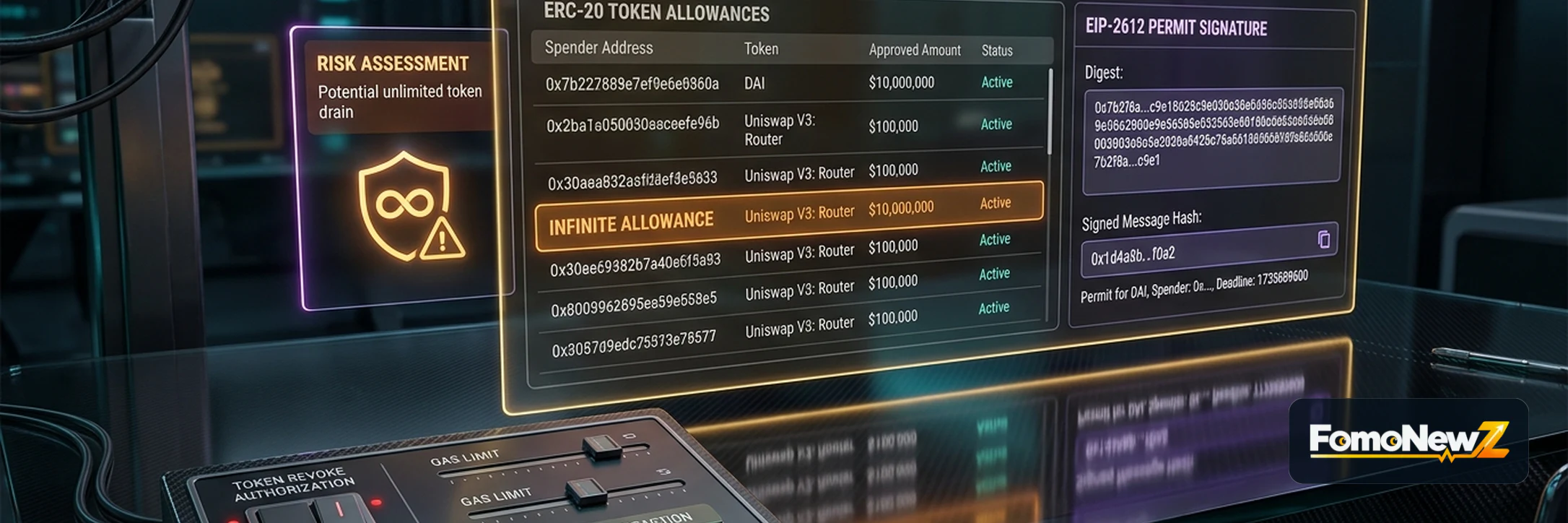
- Approval Threat Vectors: Modern Web3 scams exploit smart contract token approvals. When interacting with DeFi protocols, users often approve unlimited allowances. If a malicious contract receives approval, it can drain approved tokens from the wallet balance without needing the user's private key.
Chapter 04
Selecting the Right Decentralized Wallet Architecture
Different wallet architectures balance daily usability against security resilience:
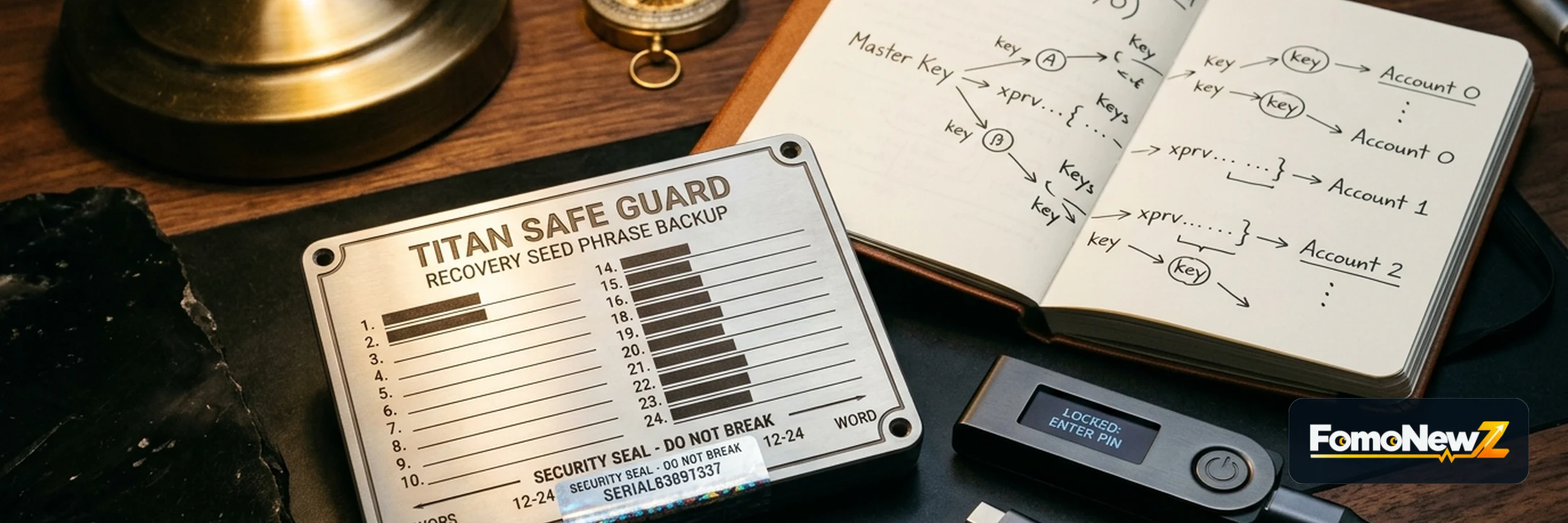
- Hardware Wallets (Cold Storage): Dedicated physical appliances (such as Ledger, Trezor, Keystone, and Coldcard) that isolate private keys inside a tamper-resistant Secure Element chip. Private keys never touch an internet-connected operating system, neutralizing remote malware and phishing threats.
- Browser Extensions and Desktop Hot Wallets: Extensions like MetaMask, Rabby, and Phantom provide seamless connectivity to decentralized applications. However, because keys reside in browser storage on an online operating system, they remain susceptible to zero-day browser exploits and malicious extensions.
- Mobile Wallets: Applications like Trust Wallet, Rainbow, and BlueWallet offer quick QR-code payments and portable portfolio tracking, often leveraging mobile hardware security modules (Secure Enclave on iOS, Titan/Knox on Android).
The Professional Two-Tier Standard: Security professionals maintain a cold hardware vault for long-term reserves that never connects to Web3 applications, paired with a 'burner' hot wallet funded with only small amounts for active DeFi trading and minting.
Chapter 05
Essential Security Checklist Before Interacting with Web3
Follow this operational checklist before executing decentralized transactions:
1. Audit Every Signature: Utilize modern wallets (such as Rabby or wallet security extensions like Pocket Universe) that decode ABI contract calls into human-readable balance simulation previews before signing.
2. Cap Token Approvals: When interacting with decentralized exchanges, customize the spend allowance to the exact amount of the current trade instead of accepting unlimited approval requests (type(uint256).max).
3. Regularly Revoke Permissions: Periodically inspect and revoke dormant smart contract approvals using verifiable tools like Revoke.cash or block explorer token approval dashboards.
4. Maintain Seed Separation: Never enter your primary hardware wallet seed phrase into a software wallet interface or browser extension.