
Instant Point-of-Sale Conversion
Crypto debit cards utilize real-time authorization channels to execute spot token liquidation into merchant fiat, settling across standard credit card acquiring rails.


Digital Payments Infrastructure Verified Topic Hub
POS Conversion Rails, Stablecoin Settlement & Card Systems
Crypto payments bridge blockchain liquidity with traditional payment networks, spanning merchant point-of-sale terminals, Visa/Mastercard debit cards, and sub-second stablecoin settlements.
Crypto debit cards utilize real-time authorization channels to execute spot token liquidation into merchant fiat, settling across standard credit card acquiring rails.
Dollar-backed stablecoins (USDC, USDT) handle trillions in annual volume, offering predictable par-value clearing without exposing merchants to token price volatility.
Card architectures vary from pre-funded custodial accounts held by licensed exchanges to non-custodial smart contracts that authorize debits directly from private wallets.
In most tax jurisdictions, spending cryptocurrency on goods constitutes a disposal event that triggers capital gains liabilities, requiring granular cost-basis accounting.

Regulated under New York Department of Financial Services charter, RLUSD enters institutional beta testing to facilitate cross-border settlement and decentralized liquidity.

A complete operational breakdown of crypto cards: dual-message settlement rails, collateralized credit lines versus auto-liquidating debit, spread economics, and tax events.
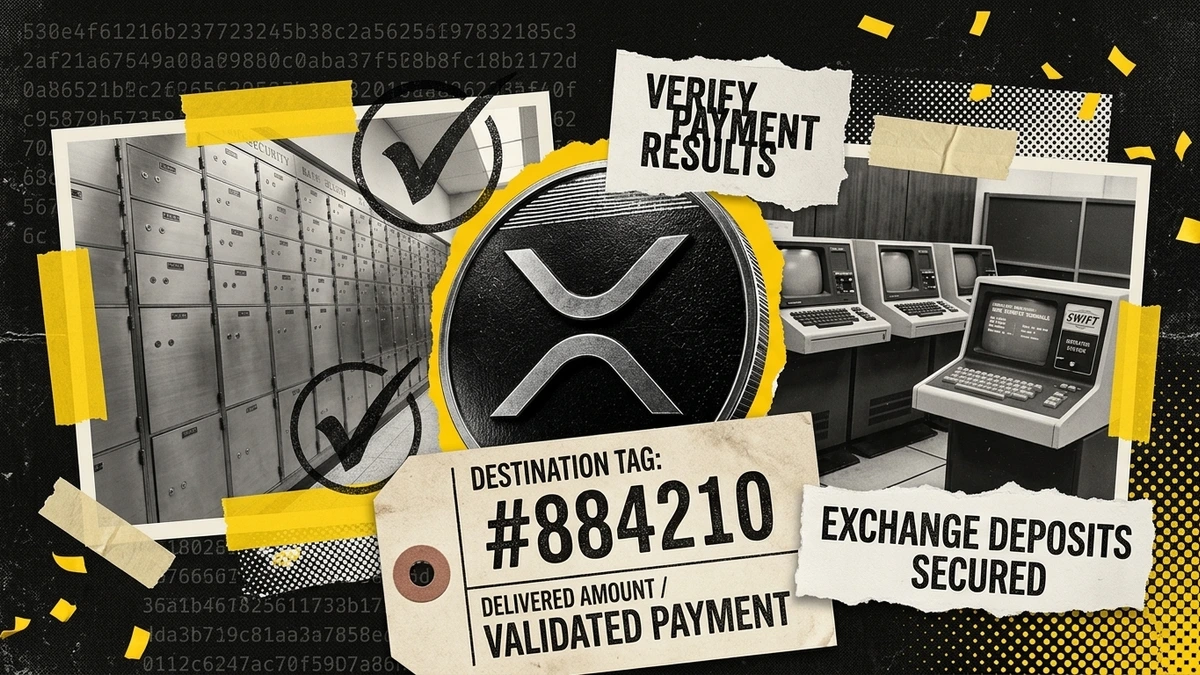
Transfers on the XRP Ledger finalize in seconds, but operational mistakes can lead to lost deposits or partial payment confusion. This guide explains transaction engine codes, destination tags, and DeliveredAmount verification.
Crypto cards can make account balances spendable, but the real comparison is regional: card type, conversion path, FX, ATM limits, rewards caps, supported assets and legal availability.

A legal framework can define permitted issuers and reserve obligations. It does not make every stablecoin transfer final, redeemable or equivalent to a bank deposit.
The XRP Ledger kept closing ledgers during a peer-disconnection incident, but the official disclosure shows why uninterrupted consensus and healthy network connectivity must be measured separately.
A technical breakdown of payment gateway rails, real-time cryptocurrency liquidation versus pre-funded stablecoin balances, interchange fee splits, and point-of-sale processing.
When swiped or tapped at payment terminals, the card issuer's automated liquidity bridge queries the cardholder's crypto balance, executes an instantaneous OTC market conversion at current spot prices, and settles national currency (USD, EUR, GBP) with the merchant over global Visa or Mastercard clearing networks.
Custodial cards require transferring cryptocurrency to a third-party exchange or fintech balance beforehand, exposing funds to counterparty insolvency. Non-custodial cards allow users to hold assets in their own private hardware or software wallets until the exact second a transaction is authorized via signed smart contract allowance.
In most major tax jurisdictions (such as the United States, United Kingdom, and Australia), disposing of cryptocurrency to purchase goods or services is treated as an asset disposal. If the market value of the crypto spent exceeds the original acquisition cost basis, it triggers a reportable capital gains tax liability.
Merchant profit margins typically range from 2% to 10%. Accepting volatile assets like Bitcoin or Ethereum exposes businesses to intraday inventory depreciation before cash out. Fully reserved stablecoins eliminate market volatility while retaining instant blockchain settlement, global borderless reach, and sub-dollar network transfer fees.