


Primary Source Verification
Every factual data point, code release, and regulatory filing cited is independently cross-referenced against original blockchain logs and public institutional disclosures.
Verified Research Desk Verified Topic Hub
Moonpay: Architecture, Governance & Market Dynamics
Source-linked reporting and research about Moonpay, including market context, technical details and documented risks.
Every factual data point, code release, and regulatory filing cited is independently cross-referenced against original blockchain logs and public institutional disclosures.
Analysis separates promotional marketing claims from verifiable transaction settlement, smart contract events, and transparent liquidity movements.
Detailed examination of private key management, smart contract access controls, multisig governance, and potential counterparty failure points.
Coverage contextualizes technological innovation within jurisdictional licensing boundaries, anti-money laundering mandates, and financial disclosure standards.

Moonpay completes its South Korea expansion through a tripartite banking pact. The new subsidiary bypasses historical cross-border bottlenecks for institutional capital.
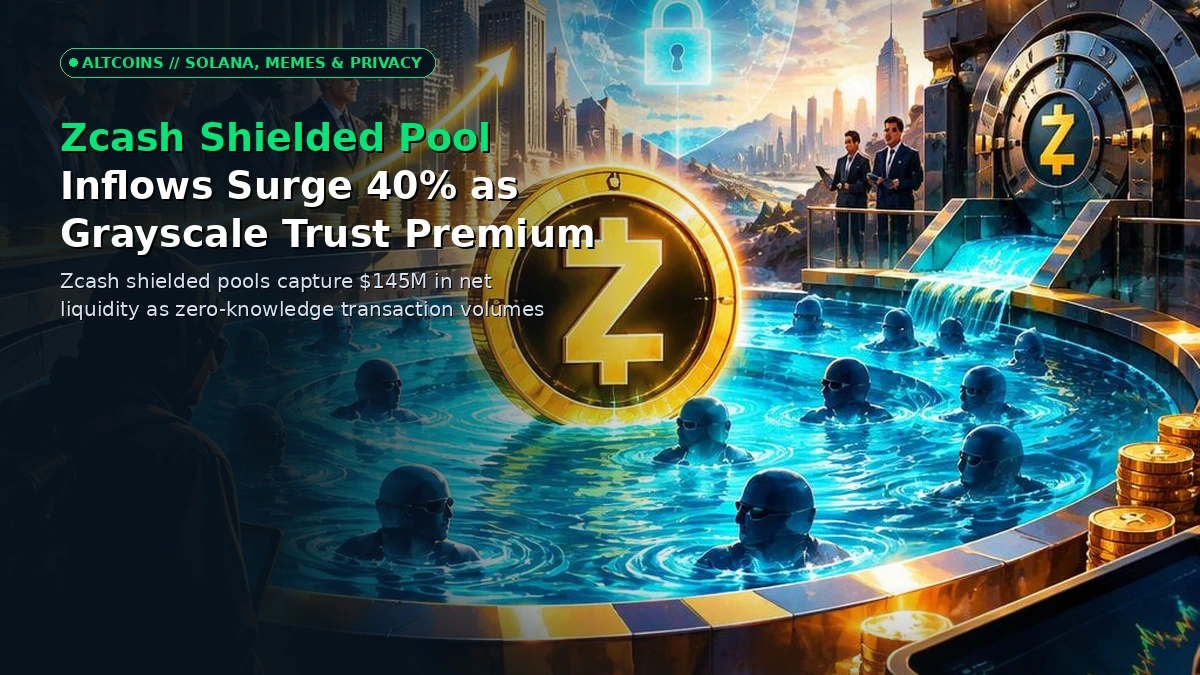
Zcash shielded pools capture $145M in net liquidity as zero-knowledge transaction volumes expand. Meanwhile, the Grayscale Zcash Trust discount narrows toward multi-year highs.

Cboe and S&P Dow Jones evaluate tokenized options as equity derivatives volume jumps 15%. Traditional exchange architecture shifts on-chain.

Bitcoin bulls are locked in a high-stakes defense of $83,000 as spot momentum cools and CryptoQuant's bull score hits its ceiling. The pullback flushes $1B in leveraged derivatives.
When swiped or tapped at payment terminals, the card issuer's automated liquidity bridge queries the cardholder's crypto balance, executes an instantaneous OTC market conversion at current spot prices, and settles national currency (USD, EUR, GBP) with the merchant over global Visa or Mastercard clearing networks.
Custodial cards require transferring cryptocurrency to a third-party exchange or fintech balance beforehand, exposing funds to counterparty insolvency. Non-custodial cards allow users to hold assets in their own private hardware or software wallets until the exact second a transaction is authorized via signed smart contract allowance.
In most major tax jurisdictions (such as the United States, United Kingdom, and Australia), disposing of cryptocurrency to purchase goods or services is treated as an asset disposal. If the market value of the crypto spent exceeds the original acquisition cost basis, it triggers a reportable capital gains tax liability.
Merchant profit margins typically range from 2% to 10%. Accepting volatile assets like Bitcoin or Ethereum exposes businesses to intraday inventory depreciation before cash out. Fully reserved stablecoins eliminate market volatility while retaining instant blockchain settlement, global borderless reach, and sub-dollar network transfer fees.