
Primary Source Verification
Every factual data point, code release, and regulatory filing cited is independently cross-referenced against original blockchain logs and public institutional disclosures.


Verified Research Desk Verified Topic Hub
Xrpl: Architecture, Governance & Market Dynamics
Source-linked reporting and research about Xrpl, including market context, technical details and documented risks.
Every factual data point, code release, and regulatory filing cited is independently cross-referenced against original blockchain logs and public institutional disclosures.
Analysis separates promotional marketing claims from verifiable transaction settlement, smart contract events, and transparent liquidity movements.
Detailed examination of private key management, smart contract access controls, multisig governance, and potential counterparty failure points.
Coverage contextualizes technological innovation within jurisdictional licensing boundaries, anti-money laundering mandates, and financial disclosure standards.

Regulated under New York Department of Financial Services charter, RLUSD enters institutional beta testing to facilitate cross-border settlement and decentralized liquidity.
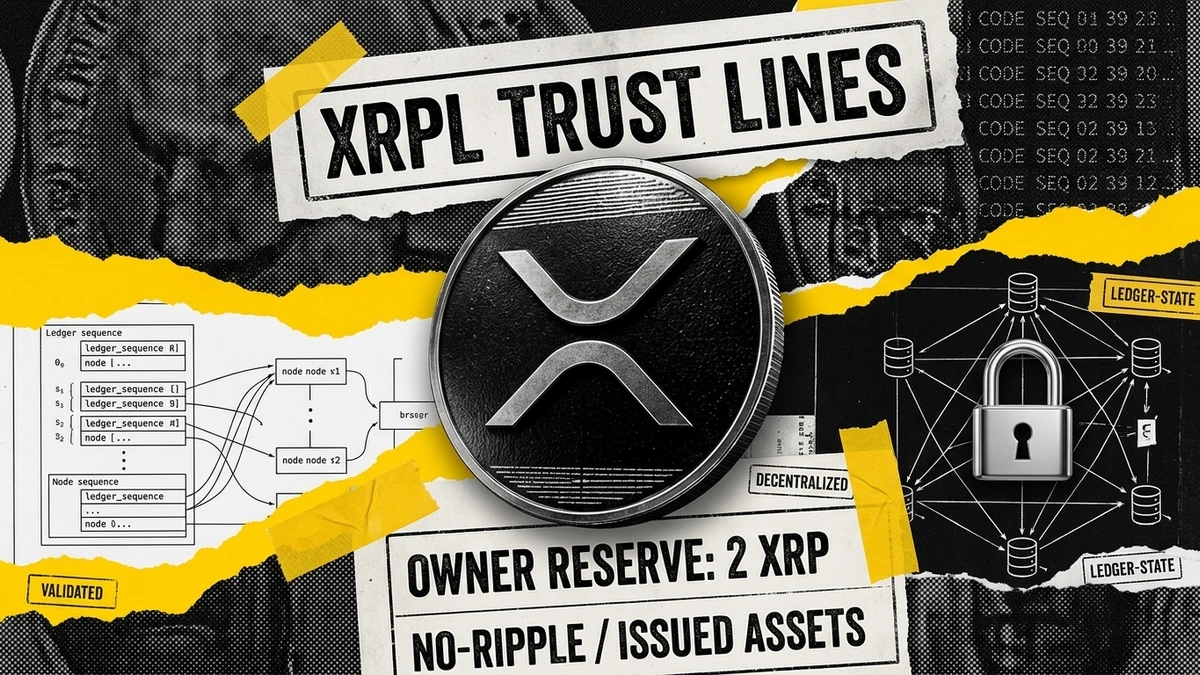
Unlike native XRP, tokens on the XRP Ledger represent issuer debt obligations established through trust lines. This guide details credit limits, reserve locks, freeze flags, and rippling risks before holding issued assets.
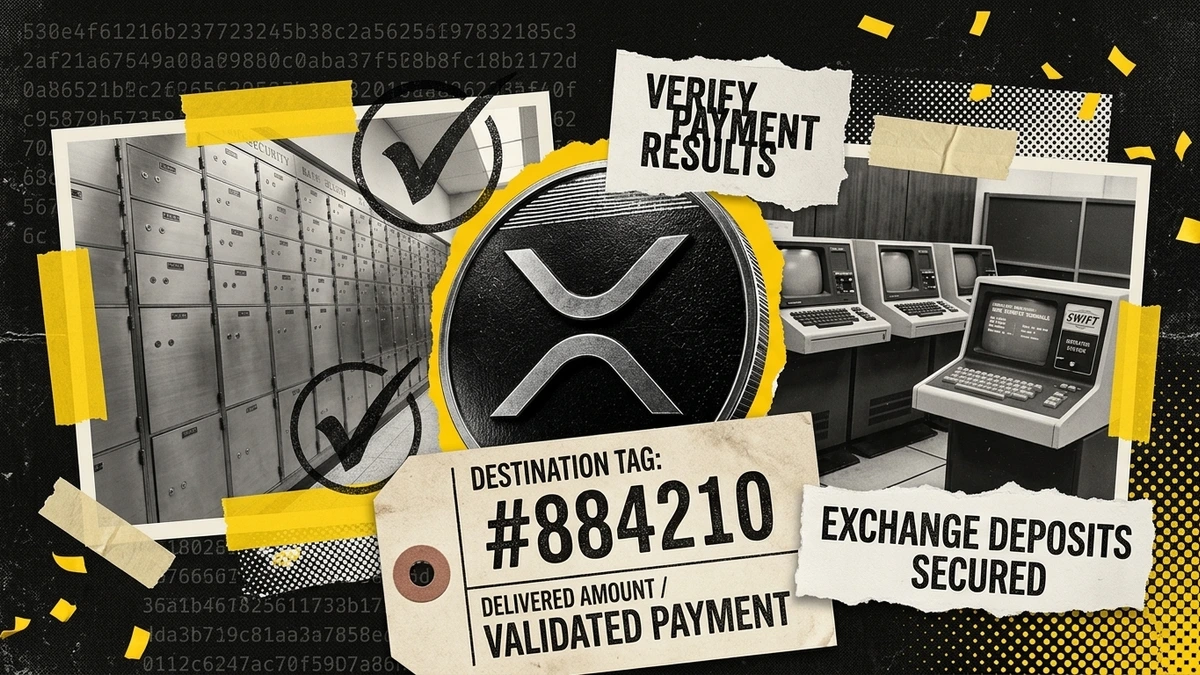
Transfers on the XRP Ledger finalize in seconds, but operational mistakes can lead to lost deposits or partial payment confusion. This guide explains transaction engine codes, destination tags, and DeliveredAmount verification.
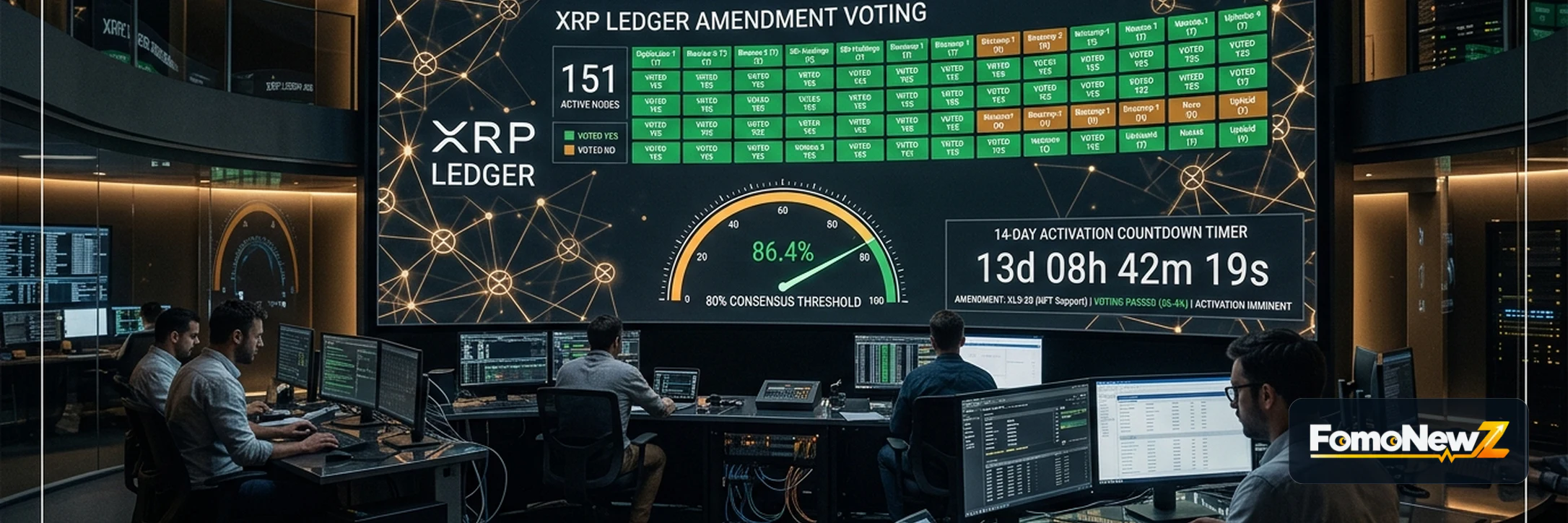
Changes to the XRP Ledger do not occur through centralized decrees or hard forks. This guide examines the decentralized amendment process, the 80% validator supermajority rule, and the two-week activation window.
The XRP Ledger kept closing ledgers during a peer-disconnection incident, but the official disclosure shows why uninterrupted consensus and healthy network connectivity must be measured separately.
The XRP Ledger does not use Proof-of-Work mining or Proof-of-Stake validator locking. Instead, independent validator nodes compare proposed transaction candidates through the Federated Byzantine Consensus Protocol. Once 80% of Unique Node List (UNL) validators reach agreement, ledger transactions achieve final settlement in 3 to 5 seconds with negligible energy use.
Ripple's On-Demand Liquidity (now Ripple Payments) eliminates pre-funded nostro/vostro correspondent bank accounts. Financial institutions convert origin fiat currency into XRP, transmit value across the XRPL in seconds, and immediately convert XRP into the destination currency at a partner exchange, eliminating liquidity tie-ups.
In landmark federal court rulings (SEC v. Ripple Labs), the Southern District of New York ruled that programmatic sales of XRP on secondary digital asset exchanges do not constitute investment contracts or securities offerings under the Howey Test. XRP maintains unique regulatory clarity among top market-cap cryptocurrencies.
To provide predictable monetary transparency, Ripple locked 55 billion XRP into on-chain cryptographic escrow smart contracts in 2017. Exactly 1 billion XRP unlocks automatically on the first day of each month. Unused tokens are returned to new escrow contracts, restricting circulating flood risks.