


Primary Source Verification
Every factual data point, code release, and regulatory filing cited is independently cross-referenced against original blockchain logs and public institutional disclosures.
Verified Research Desk Verified Topic Hub
Ethereum2030: Architecture, Governance & Market Dynamics
Source-linked reporting and research about Ethereum2030, including market context, technical details and documented risks.
Every factual data point, code release, and regulatory filing cited is independently cross-referenced against original blockchain logs and public institutional disclosures.
Analysis separates promotional marketing claims from verifiable transaction settlement, smart contract events, and transparent liquidity movements.
Detailed examination of private key management, smart contract access controls, multisig governance, and potential counterparty failure points.
Coverage contextualizes technological innovation within jurisdictional licensing boundaries, anti-money laundering mandates, and financial disclosure standards.

Ethereum co-founder Vitalik Buterin has unveiled a comprehensive 2030 architectural roadmap. The blueprint aims to scale decentralized networks beyond traditional blockchains as layer-2 total value locked surpasses $45 billion.
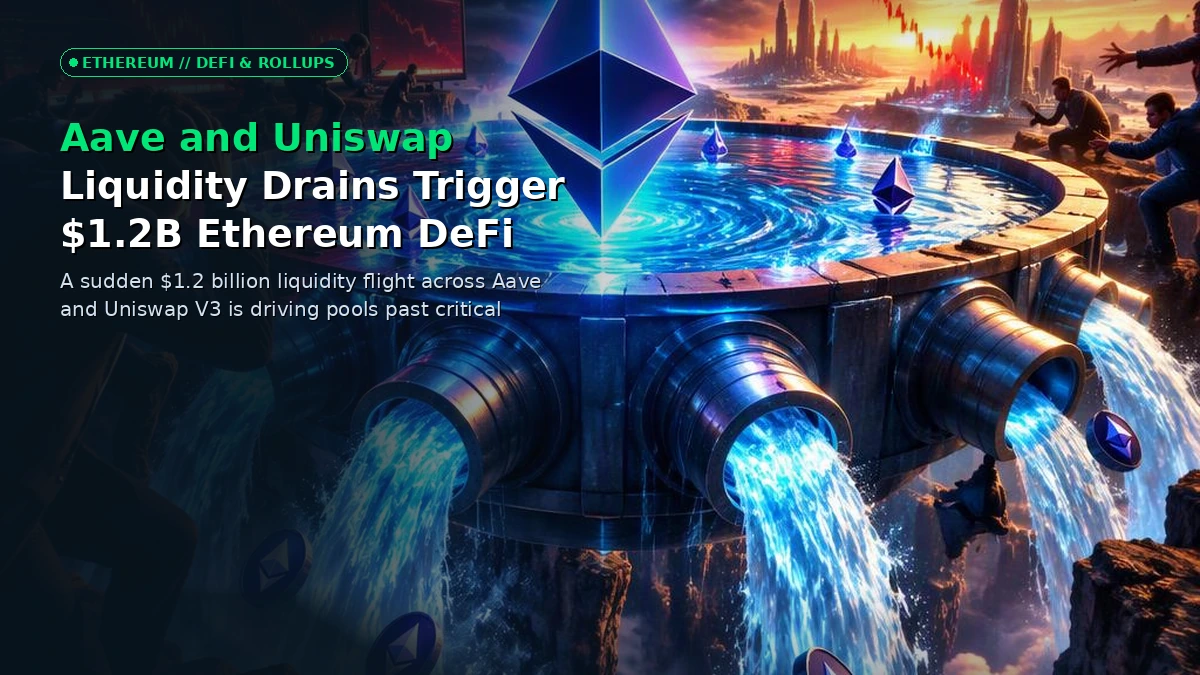
A sudden $1.2 billion liquidity flight across Aave and Uniswap V3 is driving pools past critical thresholds. Algorithmic traders face cascading liquidations as automated markets strain.
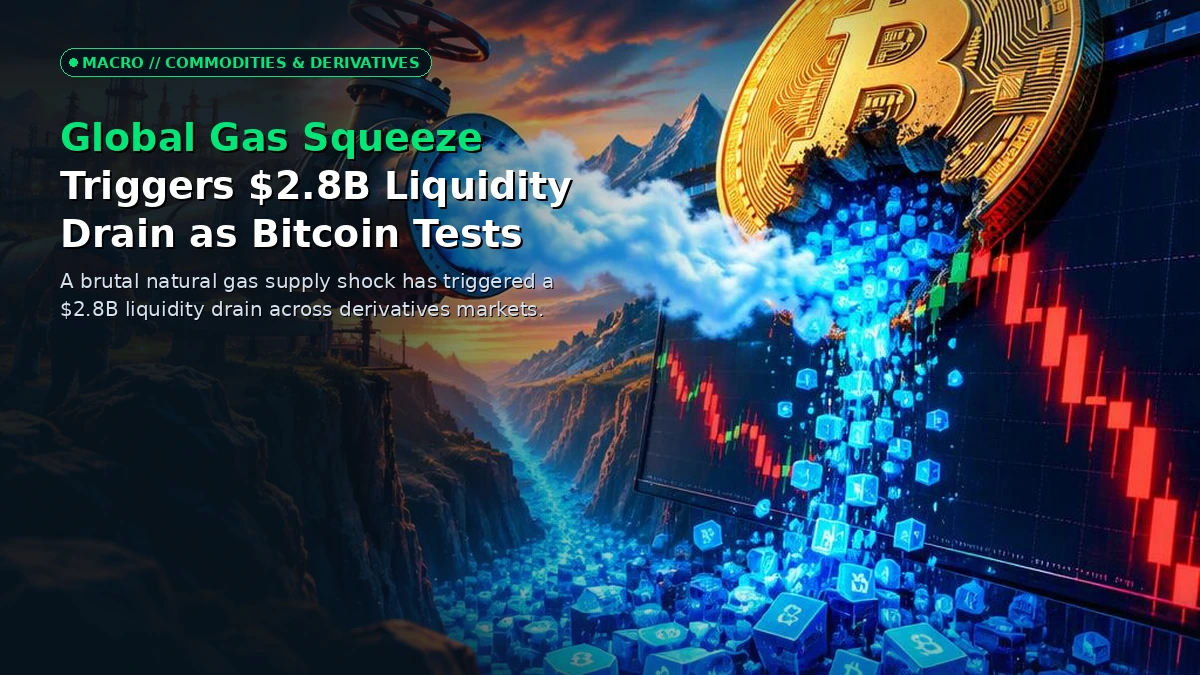
A brutal natural gas supply shock has triggered a $2.8B liquidity drain across derivatives markets. Institutional de-risking accelerates as Bitcoin tests crucial $86,000 support floors.

Riot Platforms has severed its $200 million credit facility with Coinbase Credit to reclaim total treasury autonomy. The strategic exit highlights a wider push among public miners to eliminate counterparty risk.
Ethereum validators lock 32 ETH in the consensus deposit contract to participate in proposing and attesting to transaction blocks. Misbehaving or offline validators face slashing and inactivity penalties, while honest validators earn block fees and staking rewards without requiring energy-intensive Proof-of-Work hardware.
EIP-1559 replaced traditional first-price gas auctions with a dynamic algorithmic base fee. Instead of paying fees entirely to miners or validators, the network permanently burns the base fee in ETH. When network transaction activity is high, burned fees exceed new validator staking issuance, reducing the net circulating ETH supply.
Rollups execute transactions off-chain in high-speed auxiliary environments and bundle hundreds of transactions into cryptographic proofs settled on Ethereum Layer 1. Optimistic rollups rely on fraud-proof challenge windows (e.g., Arbitrum, Optimism), while ZK-rollups utilize cryptographic validity proofs (e.g., zkSync, Starknet) for near-instant finality.
EIP-4844 introduced temporary cryptographic data containers called 'blobs' that exist for approximately 18 days rather than persisting permanently in Ethereum node memory. This provides Layer-2 rollups with dramatically cheaper data availability, cutting user gas fees on networks like Base, Arbitrum, and Optimism by over 90%.