

Primary Source Verification
Every factual data point, code release, and regulatory filing cited is independently cross-referenced against original blockchain logs and public institutional disclosures.
Verified Research Desk Verified Topic Hub
Crypto Stocks: Architecture, Governance & Market Dynamics
Source-linked reporting and research about Crypto Stocks, including market context, technical details and documented risks.
Every factual data point, code release, and regulatory filing cited is independently cross-referenced against original blockchain logs and public institutional disclosures.
Analysis separates promotional marketing claims from verifiable transaction settlement, smart contract events, and transparent liquidity movements.
Detailed examination of private key management, smart contract access controls, multisig governance, and potential counterparty failure points.
Coverage contextualizes technological innovation within jurisdictional licensing boundaries, anti-money laundering mandates, and financial disclosure standards.
RedotPay completes a major independent financial audit to advance its $1 billion US IPO trajectory. The move defies circulating market rumors of regulatory delays.
Seoul is overhauling digital asset market making laws after a JPYC peg break triggered 400% price spikes and widespread liquidations. Upbit's isolated order books exposed deep systemic vulnerabilities.
Ethereum co-founder Vitalik Buterin has unveiled a comprehensive 2030 architectural roadmap. The blueprint aims to scale decentralized networks beyond traditional blockchains as layer-2 total value locked surpasses $45 billion.
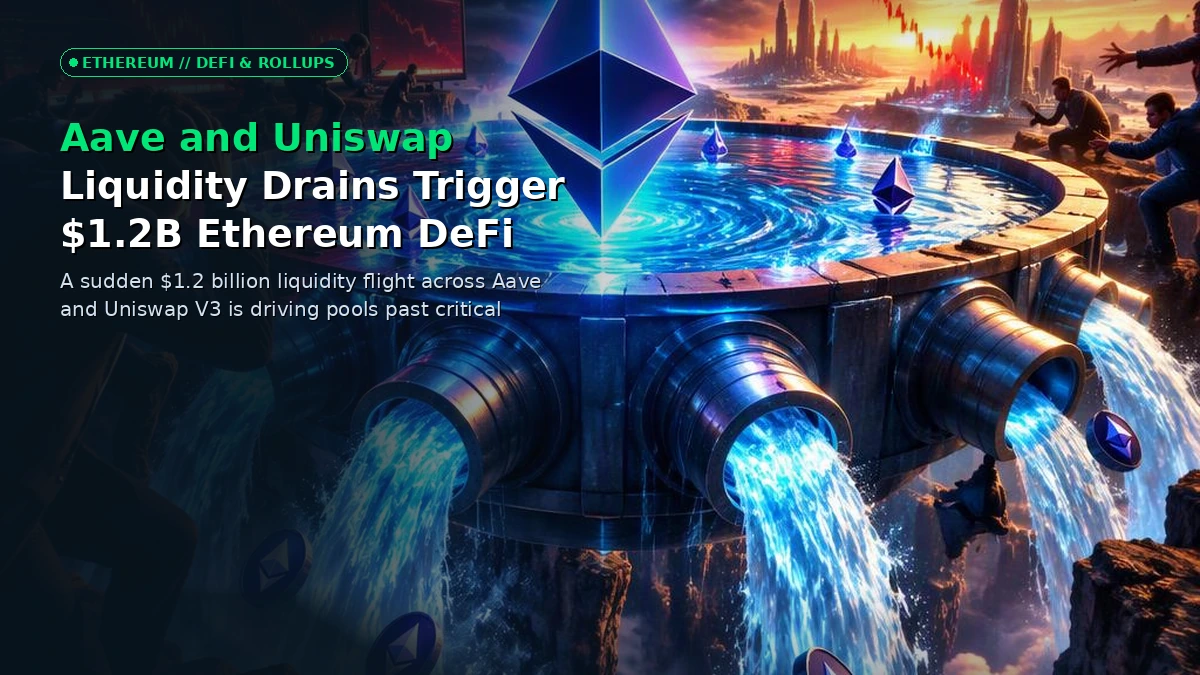
A sudden $1.2 billion liquidity flight across Aave and Uniswap V3 is driving pools past critical thresholds. Algorithmic traders face cascading liquidations as automated markets strain.
Tokenized stocks are blockchain-based digital tokens that track the market price and economic rights of shares in publicly traded companies (such as Apple, Tesla, or Nvidia). Typically issued via regulated Special Purpose Vehicles (SPVs) or depository trusts, each token corresponds to shares physically purchased and held by a qualified custodian or broker-dealer.
Dividend treatment depends on the issuer's statutory legal wrapper. Most tokenized stock platforms automatically credit synthetic dividends directly to token holders in stablecoins (USDC or USDT) upon public distribution. However, direct shareholder voting rights and attendance at annual general meetings (AGMs) are generally retained by the legal trust custodian rather than transferred on-chain.
Tokenized stock platforms facilitate continuous 24/7/365 peer-to-peer and AMM liquidity pool trading even when traditional venues like the NYSE and NASDAQ are closed. During overnight and weekend hours, pricing is determined by internal automated market makers and private OTC liquidity matching, which can lead to wider bid-ask spreads and liquidity premiums until primary stock exchanges open.
Legitimate tokenized equity platforms structure underlying assets within legally segregated, bankruptcy-remote Special Purpose Vehicles (SPVs). In the event of platform insolvency, underlying common shares held by regulated third-party custodians cannot be claimed by general platform creditors, safeguarding investor backing capital under statutory trust law.
Tokenized stocks are classified as securities under major legal regimes, including the U.S. Securities Act of 1933 (SEC) and the European Union's Markets in Crypto-Assets (MiCA / DLT Pilot Regime). Consequently, compliant issuance platforms mandate identity verification (KYC/AML), restrict services in jurisdictions prohibiting synthetic securities, and enforce investor accreditation rules where applicable.
Unlike traditional CFDs, which are purely derivative counterparty bets against a retail broker where no underlying stock is ever acquired, fully-backed tokenized equities involve 1:1 physical share purchases held in custodian reserves, verifiable blockchain mint/burn mechanisms, and exportable self-custodial token standards (such as ERC-3643).