
Primary Source Verification
Every factual data point, code release, and regulatory filing cited is independently cross-referenced against original blockchain logs and public institutional disclosures.


Verified Research Desk Verified Topic Hub
Wallet Security: Architecture, Governance & Market Dynamics
Source-linked reporting and research about Wallet Security, including market context, technical details and documented risks.
Every factual data point, code release, and regulatory filing cited is independently cross-referenced against original blockchain logs and public institutional disclosures.
Analysis separates promotional marketing claims from verifiable transaction settlement, smart contract events, and transparent liquidity movements.
Detailed examination of private key management, smart contract access controls, multisig governance, and potential counterparty failure points.
Coverage contextualizes technological innovation within jurisdictional licensing boundaries, anti-money laundering mandates, and financial disclosure standards.
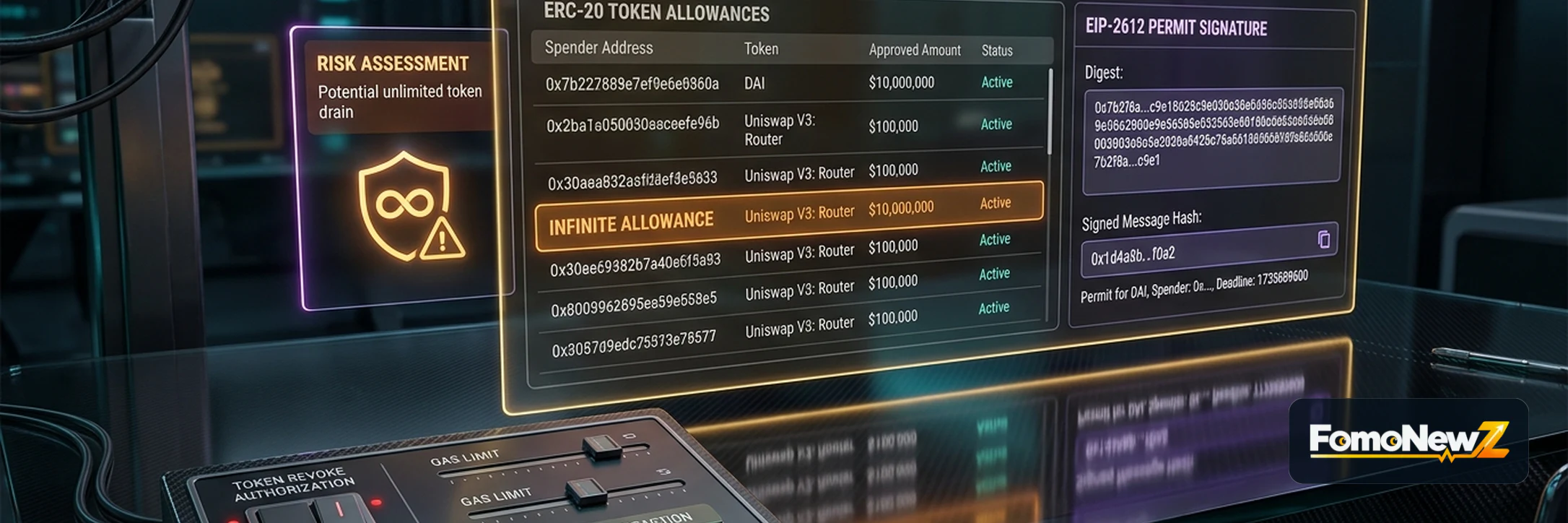
Smart contracts require authorization to interact with user tokens, but unbounded approvals and blind signatures create severe exposure. This guide explains ERC-20 allowances, EIP-2612 Permit messages, and how to verify permissions safely.
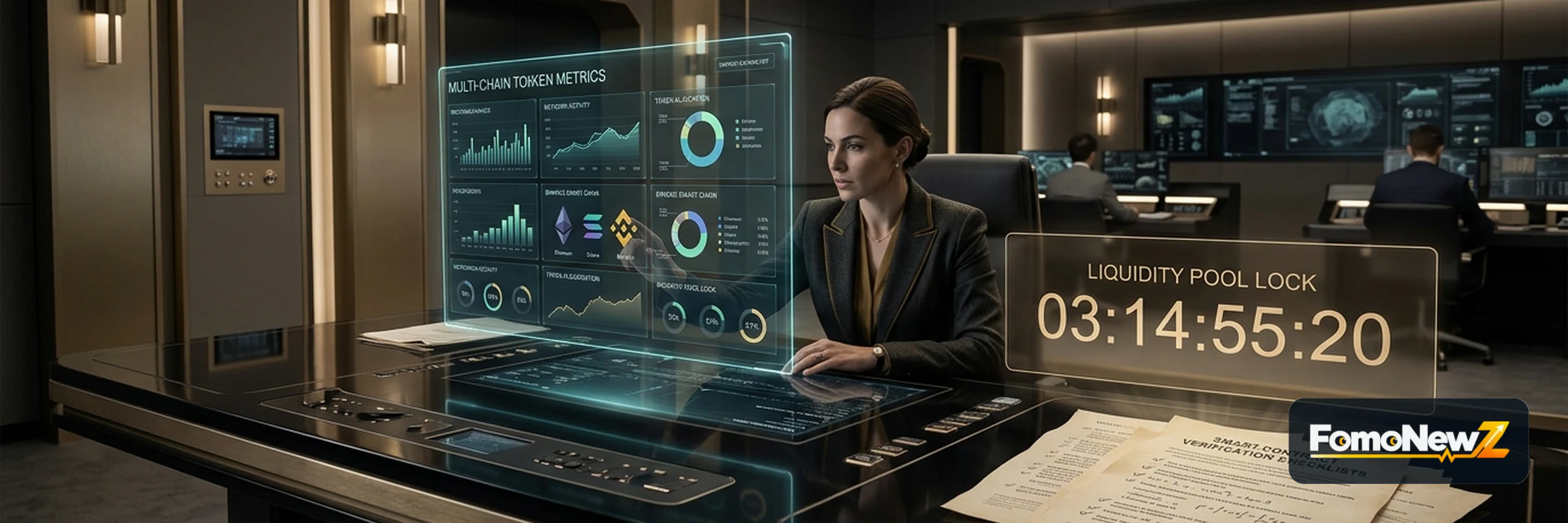
A launchpad listing is not a quality signal. This guide separates project terms, allocation rules, contract permissions, vesting, eligibility and wallet-connection risk.
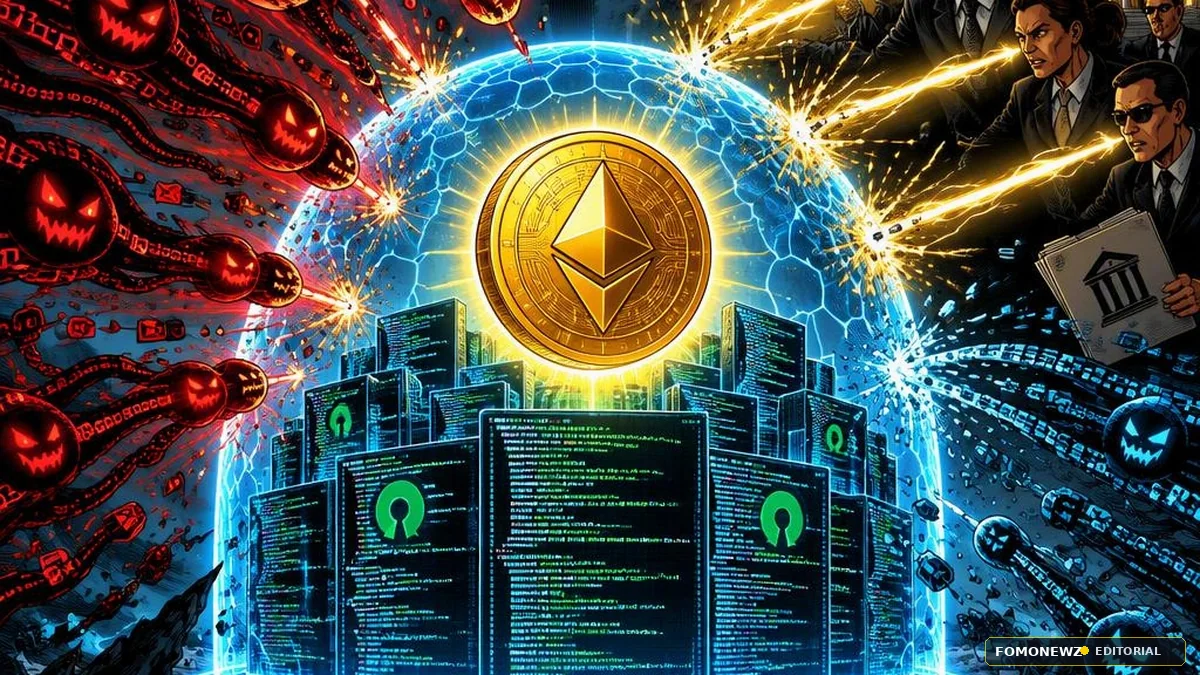
Ethereum co-founder Vitalik Buterin argues autonomous AI models will strengthen blockchain security via formal software proofs. Institutional markets recalibrate systemic DeFi code risk.

Zcash rallied double digits to touch $1,385 following a decisive community vote on the NU7 upgrade. The decision solidifies algorithmic scarcity while forcing massive short-coverings across major venues.
Counterparty risk occurs when a centralized exchange or custodian commingles customer deposits, lends assets to undercollateralized borrowers, or speculates with proprietary capital. When market liquidations occur or depositors initiate bank runs, fractional-reserve custodians cannot fulfill redemption demands, leading to bankruptcy freezes.
The foundation of cold storage requires never entering your 12-to-24 word BIP-39 recovery seed on any internet-connected computer, phone, or cloud backup. Physical seed phrases must be etched in fireproof stainless steel, verified directly on the hardware screen during transactions, and segregated using passphrase extensions.
Independent audit firms (such as OpenZeppelin, CertiK, and Trail of Bits) inspect code for reentrancy bugs, integer overflows, privilege escalations, and logic flaws. However, an audit is not an insurance policy; audits cannot guarantee security against zero-day economic attack vectors, flash-loan price manipulation, or administrative key compromises.
When traders maintain high leverage on perpetual contracts, small price retracements push position equity below mandatory maintenance margin levels. Automated risk engines forcibly execute market sell orders to protect exchange capital, triggering a chain reaction that exhausts order book depth and causes flash crashes.
Centralized stablecoin issuers (like Tether and Circle) possess programmatic contract capabilities to freeze USDT and USDC addresses identified on OFAC sanction lists. Non-custodial base assets like native Bitcoin and Ethereum cannot be frozen at the protocol consensus layer, but blacklisted addresses face rejection at compliant exchange on-ramps.
Cross-chain bridges lock collateral assets on one blockchain to mint wrapped synthetic representations on another. Because bridge smart contracts hold massive multi-hundred-million-dollar liquidity honeypots and rely on complex multi-signature validator relays, cryptographic vulnerabilities or validator key compromises have historically led to multi-billion-dollar exploits.