Chapter 01
What crypto market participants should know
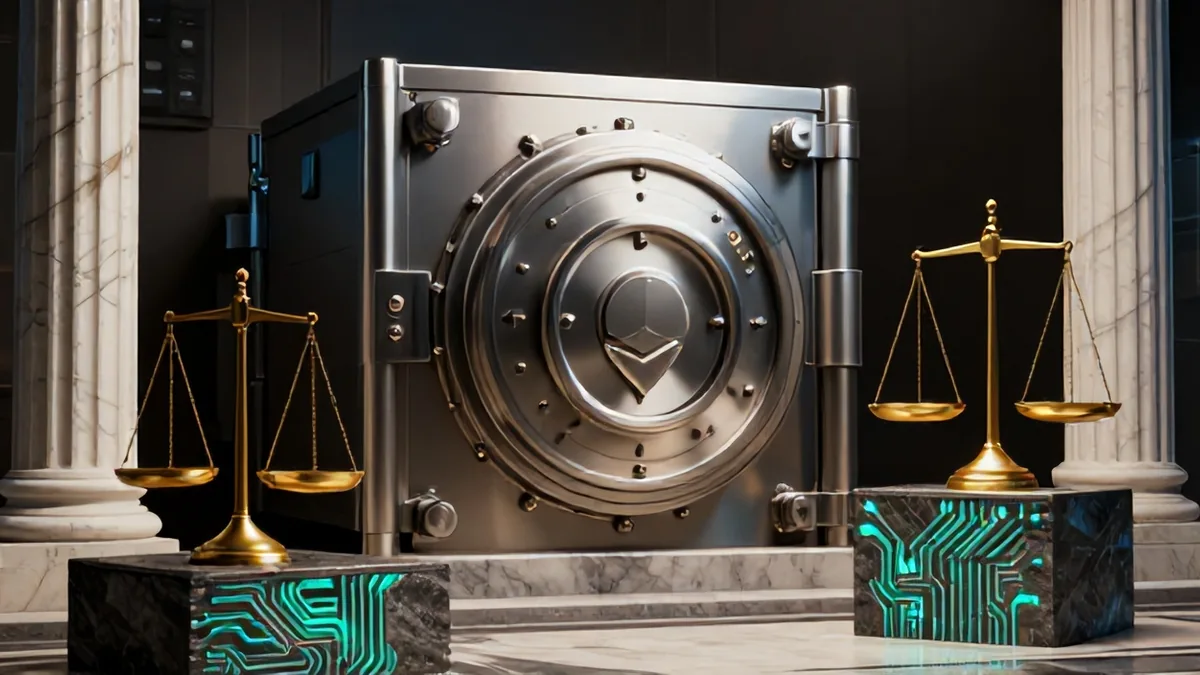
The digital asset landscape was rocked to its foundations as news broke of a catastrophic security breach resulting in a staggering $6.34 billion total loss, instantly putting platform security, asset custody, and exchange solvency at the absolute center of global financial scrutiny. As panic rippled across the crypto economy and market makers re-evaluated counterparty risk, Coinbase moved swiftly to reassure nervous depositors by underscoring its long-standing architectural commitment: over 99% of customer assets remain securely locked within offline cold storage infrastructure. This stark divergence in risk mitigation strategies has instantly galvanized institutional allocators, retail traders, and corporate treasuries, forcing a systemic reckoning across the digital asset industry. Risk remains elevated.
The immediate market reaction was characterized by aggressive capital flight, surging volatility, and a frantic race by market participants to audit where their funds are stored, how private keys are handled, and which venues can genuinely claim institutional-grade resilience. For years, centralized platforms balanced high-frequency trading liquidity with convenience by keeping substantial portions of capital in online hot wallets. The unprecedented scale of the recent incident has shattered this complacency, turning cold storage compliance, multi-signature vaults, and cryptographic proof-of-reserves into non-negotiable prerequisites for survival. As capital rotates away from vulnerable architectures toward battle-tested infrastructure, traders seeking uncompromised safety are rapidly reviewing audited crypto exchanges and evaluating long-term defensive postures. The shift was immediate.
Chapter 02
The Core Catalyst: Anatomy of the Binance Breach and Coinbase's Cold Storage Defense
The staggering $6.34 billion security incident that hit the broader ecosystem serves as a watershed moment for the digital asset industry, exposing the inherent vulnerabilities of centralized hot-wallet infrastructure when subjected to sophisticated, multi-vector exploitation. While details surrounding the exact vector of the breach continue to be dissected by on-chain forensic investigators, the sheer magnitude of the loss has forced every centralized trading venue to publish real-time attestations of their reserve breakdowns. In the immediate aftermath, Coinbase’s executive team reiterated a foundational metric that has defined its engineering ethos since inception: more than 99% of customer capital is meticulously isolated from the internet in offline cold storage vaults. Markets reacted swiftly, drawing extensive coverage from the Bitcoin market news desk as analysts parsed the systemic implications for exchange reserves and historical cascading short liquidation rushes.
To achieve this scale of isolation without completely freezing user liquidity, Coinbase deploys a multi-layered, distributed signing key architecture. This system requires geographically dispersed hardware security modules (HSMs) and cryptographic quorum approvals before any substantial asset movement can be executed. Unlike traditional hot wallets that maintain constant, online connectivity to facilitate instant withdrawals—a convenience that ultimately served as the fatal flaw in the recent multi-billion-dollar exploit—cold storage architectures render remote network-based extraction virtually impossible. Even if a perimeter defense or corporate credential is compromised, the offline nature of the primary asset vault acts as an impenetrable digital air gap. Execution remains paramount.
This structural divide highlights the immense operational friction between low-cost, high-yield retail platforms and institutional-grade custody providers. Maintaining 99% of assets offline requires sophisticated transaction batching, delayed settlement processing times for large withdrawals, and massive balance sheet liquidity to service normal daily trading volume without bottlenecking users. For readers navigating these complex custody dynamics, exploring dedicated hardware crypto wallets provides a direct mechanism to bypass exchange risk entirely and retain absolute sovereignty over digital wealth. Caution dictates strategy.
Chapter 03
Macro Transmission & Historical Precedents: How This Compares to Prior Cycles
When evaluating the market structure implications of the $6.34 billion breach, historical context is essential. Every major crypto cycle has been punctuated by monumental counterparty collapses or high-profile security failures that permanently altered the regulatory and technical landscape. From the Mt. Gox collapse in 2014 and the DAO hack in 2016 to the catastrophic unwinding of FTX and Celsius in late 2022, security crises have historically acted as violent catalysts for structural maturation. However, the sheer nominal value of this latest incident dwarfs prior exchange hacks, positioning it as the largest single security failure in the history of financial technology. Capital preserves optionality.
Unlike the 2022 credit crisis—which was driven by internal reckless leverage, rehypothecation, and fraudulent balance sheet management—the recent event underscores an external vector of infrastructure compromise. This distinction has triggered a fundamentally different market response. Rather than a cascading failure of lending desks and leveraged yield products, the current shock is entirely localized to trust, custody, and platform security. Institutional allocators who entered the market via spot exchange-traded funds (ETFs) and qualified custodians are largely insulated from the direct impact, yet corporate treasuries and high-net-worth market makers maintaining active trading balances on centralized venues are scrambling to reassess their exposure. Volatility persists, closely mirroring developments highlighted in our comprehensive Bitcoin network analysis.
This environment has accelerated a broader institutional migration toward segregated custody models and regulated clearinghouses. As macroeconomic headwinds, shifting interest rate expectations, and regulatory scrutiny converge, market participants are voting with their capital. Investors eager to understand how different trading venues compare in terms of security audits, insurance funds, and API reliability can utilize comprehensive product comparisons to make informed decisions before deploying capital into the markets.
Chapter 04
Market Contagion, Liquidity Rotation & Microstructure Breakdown
The immediate contagion effects of the security breach manifested rapidly across derivatives markets, perpetual funding rates, and spot order book depths. As risk desks hastily trimmed exposures and withdrew collateral from centralized venues, spot liquidity fragmented. This sudden evacuation of market-making capital led to widened bid-ask spreads and acute price slippage across major crypto assets, forcing algorithmic trading desks to recalibrate their risk parameters. Perpetual swap funding rates, which had hovered in mildly bullish territory, compressed toward neutral as leveraged long positions were systematically de-risked.
At the same time, a noticeable liquidity rotation occurred. Capital fleeing compromised or perceived high-risk venues flowed rapidly into decentralized finance (DeFi) protocols, tier-one regulated custodians, and self-custodial solutions. This on-chain migration demonstrated that despite the inherent smart contract risks associated with decentralized applications, many traders now view verifiable self-execution as preferable to opaque centralized hot-wallet management, a shift heavily dictated by understanding Bitcoin market liquidity mechanics.
| Metric / Indicator | Previous / Baseline | Current Level | Tactical Market Implication |
|---|---|---|---|
| Exchange Hot Wallet Reserves | Elevated (~15-20% total assets) | Sharply Depressed (<5%) | Reduced immediate liquidity for flash crashes; heightened withdrawal queues. |
| Perpetual Funding Rates (Annualized) | +12% to +18% (Bullish bias) | +2% to +5% (Neutral/Cautious) | Leveraged long demand cooling; lower risk of cascading liquidations. |
| Spot Bid-Ask Spreads | Tight (0.01% - 0.03%) | Widened (0.08% - 0.15%) | Increased execution cost; demand for deep liquidity venues is paramount. |
| Cold Storage Allocation Ratio | ~80% - 85% industry average | >95% across top-tier venues | Massive capital lockup in offline custody; structural defense prioritized. |
As seasoned market analyst Marcus Thorne noted during a recent briefing on exchange infrastructure:
"The $6.34 billion breach is not just a security failure; it is a permanent indictment of lazy custody practices. Exchanges that fail to maintain rigorous offline cold storage reserves will find themselves structurally uninvestable for institutional capital. Trust in crypto has always been code-based, but operational trust is now entirely custody-based."
For active traders navigating these turbulent microstructure shifts, optimizing execution venues requires careful vetting of platform infrastructure. Traders can explore reliable audited crypto exchanges to ensure their active trading capital resides on platforms with transparent, verifiable security standards.
Chapter 05
Institutional Order Flow & Whale Accumulation Dynamics
Beneath the surface-level panic in retail order books, institutional order flow and whale wallet clustering revealed a fascinating resilience. Spot Bitcoin and Ethereum exchange-traded funds (ETFs)—such as BlackRock's IBIT and Fidelity's FBTC—such as those chronicled in reports on accelerating spot Bitcoin ETF net inflow velocity—continued to record steady net inflows, proving that traditional financial allocators view the incident as an isolated platform failure rather than a systemic protocol flaw. Institutional buyers utilizing qualified custodians remained insulated from the panic, viewing the resulting market dip as an attractive accumulation window rather than a reason to abandon the asset class.
On-chain analytics tracking large wallet cohorts (entities holding between 1,000 and 10,000 BTC) show a distinct pattern of aggressive accumulation during the immediate post-news price dip. Rather than capitulating, whale addresses withdrew significant volumes of capital from centralized exchanges into private custody, accelerating the ongoing supply drain on exchange order books. This structural supply squeeze has kept the intermediate-term bullish thesis intact, as exchange-held balances continue to drift toward multi-year lows.
Additionally, CME Group futures open interest remained relatively stable, indicating that institutional derivatives traders did not experience the same panic-driven liquidations as retail participants on unregulated offshore venues. This divergence underscores the growing bifurcation of the crypto market: an increasingly regulated, institutionalized core operating via pristine custody rails, sitting alongside a volatile, fast-moving retail periphery that must constantly adapt to emerging security realities.
Chapter 06
What Happens Next: The Two Trading Scenarios
As the market digests the full ramifications of the $6.34 billion breach and adjusts to a new normal of heightened custody scrutiny, two primary technical and macroeconomic scenarios are taking shape for the upcoming quarters.
Scenario A: The Bullish Structural Consolidation and Supply Squeeze In this bullish outcome, the immediate panic proves to be a local bottom. As centralized exchanges aggressively upgrade their security posture to mirror Coinbase's 99% cold storage standard, market confidence steadily returns. Institutional inflows via spot ETFs accelerate, absorbing the remaining liquid supply on exchanges. With exchange reserves at historic lows and whales continuing to lock up coins in cold storage, a supply-side crunch triggers a powerful upward breakout. Key resistance bands are decisively cleared, pushing major assets toward new all-time highs as the market rewards platforms that prioritized rigorous security from day one.
Scenario B: Protracted Liquidity Contraction and Regulatory Backlash In this bearish scenario, the sheer scale of the $6.34 billion loss invites severe regulatory overreach from global watchdogs, prompting emergency audits, restricted fiat on-ramps, and severe compliance bottlenecks across all major jurisdictions. Fearing further systemic contagion, institutional capital pauses its deployment, waiting on the sidelines for regulatory clarity. Spot trading volumes dry up, perpetual funding rates remain depressed, and key support levels fail under the weight of declining macro liquidity, leading to a prolonged sideways consolidation phase or a deeper re-test of major structural support floors.
Chapter 07
The Bottom Line for Market Participants
Navigating the post-breach crypto economy requires a fundamental shift in how individual and institutional participants approach risk management, platform due diligence, and asset custody. The era of leaving substantial capital unsecured on centralized trading venues has officially come to an end.
- Actionable Takeaway 1: Audit your current exposure across all centralized trading venues and immediately withdraw any capital not actively required for day-to-day trading into secure offline storage.
- Actionable Takeaway 2: Transition your long-term holdings away from vulnerable hot wallets by investing in battle-tested hardware crypto wallets to ensure absolute private key ownership.
- Actionable Takeaway 3: Prioritize trading activity exclusively on licensed crypto exchanges that publish transparent proof-of-reserves and maintain strict cold storage allocation ratios exceeding 95%.
- Actionable Takeaway 4: For everyday liquidity management and retail spending without exposing core funds to exchange risk, utilize verified crypto debit cards connected directly to self-custodied balances.
Chapter 08
Frequently Asked Questions
How does Coinbase's 99% cold storage standard actually protect user funds against sophisticated hackers?
Cold storage refers to the complete air-gapping of private cryptographic keys from the internet. By keeping over 99% of customer assets offline in geographically distributed vaults secured by multi-signature and hardware security modules (HSMs), Coinbase ensures that remote cyberattacks, phishing campaigns, or network-based exploits cannot access the vast majority of platform capital. Even if an attacker compromises a perimeter server or employee credential, they cannot bridge the physical and cryptographic gap required to authorize unauthorized withdrawals from cold storage.
Why was the recent $6.34 billion Binance incident so damaging compared to past exchange exploits?
The sheer nominal scale of the $6.34 billion loss makes it the largest single security breach in the history of financial technology. Unlike previous protocol exploits or smaller hot-wallet drains, the magnitude of this incident shook market-maker confidence, caused immediate spot liquidity fragmentation, and forced a mandatory reassessment of risk parameters across every major centralized trading venue globally.
How can retail traders ensure their exchange accounts are secure in the wake of these industry events?
Retail traders should implement rigorous security hygiene immediately. This includes enabling hardware-based two-factor authentication (2FA) such as FIDO2/WebAuthn security keys (avoiding SMS-based 2FA entirely), setting up anti-phishing codes, utilizing withdrawal whitelist address locks, and minimizing the amount of capital kept on any single centralized platform at any given time.
Are spot crypto ETFs safer from exchange hacking risks than holding assets directly on a trading platform?
Yes, spot crypto ETFs (such as those offered by major institutional asset managers) hold their underlying assets with qualified, regulated institutional custodians—often including Coinbase Custody—that maintain enterprise-grade cold storage and heavy insurance policies. Investors in these products do not manage private keys or face direct exchange counterparty risk, though they trade away direct on-chain utility for traditional brokerage convenience.
Where can I learn more about selecting secure trading platforms and custody solutions?
To stay ahead of evolving market infrastructure, regulatory shifts, and custody best practices, regularly explore our specialized editorial desks including the Bitcoin market news desk, Altcoins & ecosystems, and our Latest market wires for real-time investigative reporting and financial analysis.