Chapter 01
What crypto market participants should know
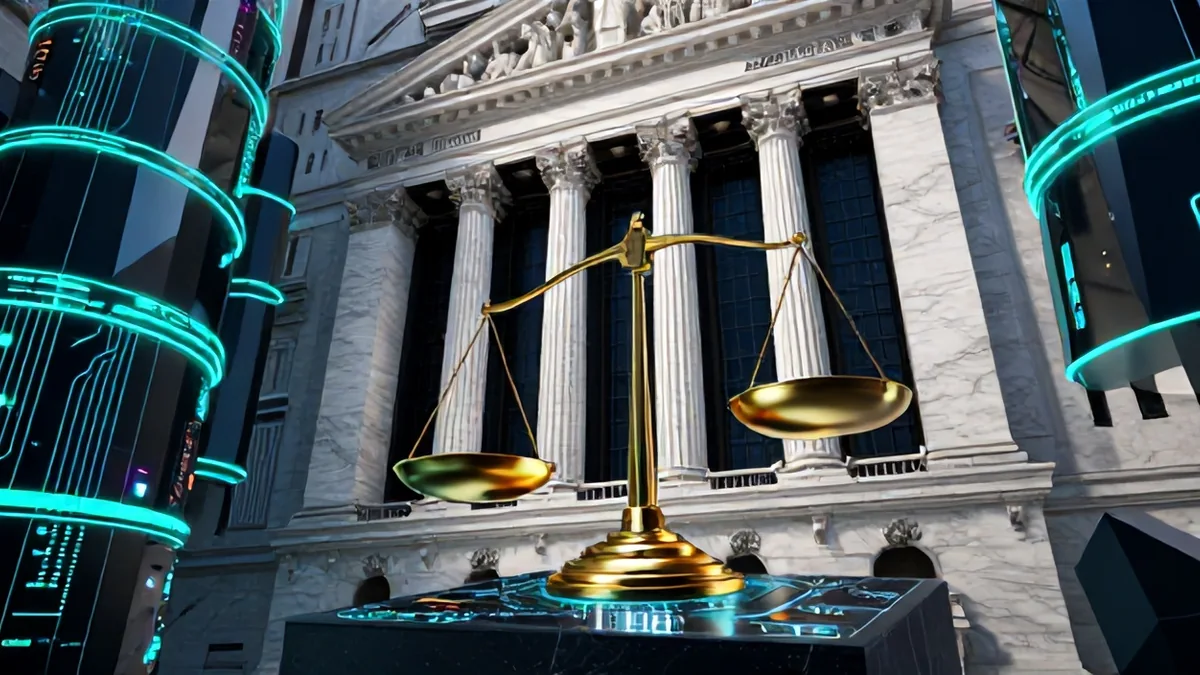
The modern financial architecture is facing its most contentious structural flashpoint in decades as a coalition of 26 heavyweight technology enterprises—anchored by corporate titans Intel, Oracle, and IBM—lodged formal, aggressive notices of objection with the U.S. Securities and Exchange Commission (SEC). As detailed in CoinDesk's policy coverage of the corporate objection notices, the target of their unified legal and regulatory ire is a high-stakes, cross-border joint venture between crypto derivatives giant OKX and the Intercontinental Exchange (ICE), the parent company of the New York Stock Exchange. The venture seeks SEC no-action relief and a specialized regulatory sandbox framework to deploy 24/7 tokenized equities. This proposal would allow global retail and institutional participants to trade fractionalized, blockchain-settled shares of major American corporations around the clock, bypassing traditional market hours and conventional clearinghouses. Risk remains elevated.
Beneath the surface of this innovation lies an existential turf war over who controls corporate governance, ledger integrity, and shareholder registries. Corporate counsels for these 26 technology enterprises argue that secondary on-chain equity settlement fundamentally fractures custodial shareholder records, dilutes delicate voting mechanics, and completely bypasses standard Section 12 registration thresholds mandated by the Securities Exchange Act of 1934. As the SEC review timeline suffers continuous delays under the weight of these formal objections, institutional equity trends monitored on the stocks and tokenized assets desk and real-time updates across the latest market wires are parsing what this battle means for the future of digital asset integration. The outcome will dictate whether Wall Street’s century-old plumbing is successfully migrated to high-speed public networks or fiercely defended against unpermissioned fragmentation. The shift was immediate.
Chapter 02
The Core Catalyst: The OKX-ICE Tokenized Equities Pilot and the Corporate Counter-Offensive
The root of the current regulatory stalemate stems from an ambitious joint filing submitted to the SEC by OKX and the Intercontinental Exchange. The initiative was designed to establish a regulated pilot program testing the issuance and secondary trading of tokenized public equities. By leveraging distributed ledger technology, the platform intended to tokenize shares of major U.S. corporations, offering instantaneous atomic settlement, 24/7 liquidity access, and frictionless global transfers. Proponents within the crypto sector—amplified by debates covered across Bitcoin.com surrounding crypto leaders blasting misleading narratives on tokenization risks—argued that this move would eliminate the archaic T+1 settlement cycle, reduce counterparty risk, and unlock billions of dollars in dormant global capital. For traders tracking Bitcoin newsdesk updates and broader tokenization narratives, the OKX-ICE venture was initially hailed as the bridge that would finally connect traditional stock markets with high-frequency crypto liquidity pools. Markets reacted swiftly.
However, corporate law departments at Intel, Oracle, IBM, and 23 other multinational firms saw the venture not as progress, but as a direct assault on the rule of law and corporate governance. The primary point of contention is the total circumvention of the Depository Trust Company (DTC) book-entry custody system and the traditional proxy voting chain. In standard equity markets, the DTC acts as the central depository, holding registered shares in "fungible bulk" through nominee Cede & Co. This ensures that every vote is accurately tallied, short positions are strictly monitored via securities lending disclosures, and shareholder registries remain pristine. The OKX-ICE tokenized model, by contrast, relies on a mirrored or wrapped token structure on an external blockchain network, severing the direct legal nexus between the underlying corporate issuer and the secondary market holder. Execution remains paramount.
The objectors' formal notices filed with the SEC highlight harrowing vulnerabilities in this proposed architecture. Corporate counsels argue that if secondary trading occurs entirely on-chain through smart contracts, issuers lose the ability to accurately verify who holds voting rights ahead of annual general meetings. Additionally, they contend that tokenized shares trading 24/7 could easily breach Section 12(g) holder-of-record thresholds, forcing private technology firms or smaller public entities into unexpected regulatory reporting obligations. This friction has forced regulators to pump the brakes, extending the review window while institutional legal teams debate whether blockchain convenience should override established statutory protections. Caution dictates strategy.
Chapter 03
Macro Transmission & Historical Precedents: How This Compares to Prior Cycles
To fully grasp the magnitude of the OKX-ICE dispute, one must examine it through the lens of historical market structure battles. Every major crypto market cycle has been defined by a clash between decentralized innovation and centralized regulatory capture. During the 2020–2021 bull run, the primary friction point was retail access to decentralized finance (DeFi) protocols and unhosted wallets, which sparked intense scrutiny from regulatory agencies over anti-money laundering (AML) compliance. In the 2024 cycle, the battleground shifted to spot exchange-traded funds (ETFs), where traditional asset managers successfully onboarded institutional capital by wrapping native digital assets into familiar, SEC-regulated wrappers like the BlackRock IBIT and Fidelity FBTC funds. Capital preserves optionality.
The current 2026 battle over tokenized equities represents the inverse vector: instead of crypto moving into institutional wrappers, the traditional stock market is being pulled onto tokenized rails. This macro transmission is occurring against a backdrop of sticky interest rates, compounding fiscal pressures, and a desperate search for yield by global market makers—dynamics echoed in our recent analysis on the 10-Year Yield Shatters 5% as $2T Deficit Sparks $420B Equity Wipeout. Traditional financial institutions are aggressively exploring tokenization to reduce collateral lockups, yet legacy enterprises remain deeply skeptical of unvetted crypto infrastructure. When evaluating competing platforms, tools, or execution venues side-by-side, institutional risk officers frequently utilize verified product comparisons to vet counterparty risk, settlement finality, and regulatory compliance before deploying capital into experimental tokenized instruments. Volatility persists.
The historical precedent here closely mirrors the introduction of electronic communication networks (ECNs) in the late 1990s and early 2000s, when traditional exchange floor specialists fought bitterly against algorithmic dark pools and electronic matching engines. Just as ECNs eventually forced the New York Stock Exchange to modernize its entire trading stack, public market integration tracked by the crypto stocks desk suggests the tokenization movement is forcing corporate America to confront the limitations of paper-era recordkeeping. However, unlike the transition from floor trading to electronic order books—which occurred entirely within regulated broker-dealer perimeters—the tokenization of equities touches public blockchains, exposing issuers to cross-chain bridges, smart contract vulnerabilities, and regulatory jurisdictions that extend far beyond the reach of the SEC.
Chapter 04
Market Contagion, Liquidity Rotation & Microstructure Breakdown
The regulatory impasse surrounding the OKX-ICE pilot has already sent shockwaves through digital asset market microstructure, altering capital flows and spot spread compression across major trading venues. While native crypto assets continue to trade with high velocity, the narrative surrounding tokenized Real World Assets (RWAs) has hit a temporary valuation ceiling. Institutional desks that had earmarked capital for 24/7 equity derivatives are reallocating funds back into traditional after-hours futures and Treasury-backed stablecoin yield products. This has created a bifurcated market where decentralized protocols and centralized exchanges are forced to operate under strict geographic and regulatory silos.
For active traders navigating these shifting liquidity conditions, execution venue selection has become paramount. Institutional traders accessing deep liquidity and seeking to minimize slippage during periods of regulatory uncertainty frequently benchmark order book depth across audited crypto exchanges. Additionally, ensuring that capital remains secure against sudden regulatory enforcement actions or systemic exchange outages makes migrating trading balances into military-grade hardware crypto wallets an absolute necessity for self-directed participants managing multi-asset portfolios.
| Metric / Indicator | Previous / Baseline | Current Level | Tactical Market Implication |
|---|---|---|---|
| OKX-ICE Pilot Review Status | Fast-track sandbox expectation | Delayed indefinitely (26 formal objections) | Reduced institutional appetite for unpermissioned RWA tokens |
| DTC Custody Dominance | 99.8% of U.S. equity settlement | Absolute baseline defense | Zero near-term threat to traditional depository clearing monopolies |
| Tokenized Equity Premium | 1.5% - 3.0% off-hours arbitrage | Compressed to near-zero (<0.2%) | Arbitrage bots sidelined due to legal and settlement friction |
| Cross-Border Retail Interest | High speculative demand for 24/7 US stocks | Subdued by jurisdictional blockades | Capital rotating back into native crypto and offshore perpetuals |
"The push to tokenize public equities without securing buy-in from corporate issuers is like trying to sell title deeds to a house while ignoring the local county recorder's office. You can trade the paper all day long, but when the issuer doesn't recognize your ledger, your legal standing evaporates instantly." — Senior Market Structure Strategist at a Tier-1 Wall Street Custody Bank
Chapter 05
Institutional Order Flow & Whale Accumulation Dynamics
Institutional order flow dynamics reveal a fascinating divergence in how smart money is positioning itself amid the regulatory crossfire. While corporate issuers like Intel and Oracle push back against unauthorized tokenization, traditional asset managers continue to absorb native crypto assets through approved channels. Spot ETF daily net flows—led by institutional giants like BlackRock's IBIT and Fidelity's FBTC—demonstrate that institutional capital is fully comfortable with digital assets provided they remain encapsulated within traditional trust structures overseen by qualified custodians like BNY Mellon or Coinbase Custody.
At the same time, whale wallet clustering data on-chain indicates that sophisticated crypto-native funds are quietly accumulating tokenized treasury bills and permissioned RWA protocols that operate entirely outside the jurisdiction of U.S. public equities. Rather than fighting corporate legal teams over Apple or Microsoft stock tokens, these capital pools are focusing on sovereign debt and commercial paper tokenization, where issuers are fully cooperative. This mirrors sovereign trends highlighted in recent analysis on Abu Dhabi ADGM Deploys $2.5B Sovereign Web3 Fund to Tokenize Gulf Energy, illustrating how institutional capital naturally follows the path of least regulatory resistance.
For retail and high-net-worth participants looking to secure their gains from these macro movements, off-ramping liquidity securely requires robust infrastructure. Converting paper gains directly into real-world purchasing power with zero-fee crypto debit cards allows investors to spend digital asset gains globally without navigating complex, high-fee wire delays, bridging the gap between on-chain wealth and daily commerce. However, maintaining large capital balances on trading venues remains an unnecessary counterparty vulnerability, reinforcing the importance of mitigating exchange insolvency risk with self-custody crypto wallets to insulate long-term holdings from platform contagion.
Chapter 06
What Happens Next: The Two Trading Scenarios
As the SEC deliberates on how to proceed with the OKX-ICE joint venture in light of the 26 corporate objections, market participants must model out distinct tactical scenarios for the coming quarters. The resolution of this dispute will set a definitive precedent for how tokenized assets interact with legacy corporate law for the next decade.
Scenario A: The Bearish Regulatory Stalemate & Compliance Clampdown (Probability: 65%)
In this baseline scenario, the SEC yields to the lobbying pressure of Intel, Oracle, IBM, and the broader corporate coalition. The OKX-ICE tokenized equity pilot is either permanently denied no-action relief or subjected to such onerous compliance burdens—such as mandatory DTC integration and strict shareholder registry synchronization—that the product becomes economically unviable. * Technical & Market Implications: Tokenized RWA altcoins experience a severe liquidity flush, shedding 20% to 40% of their valuations over a multi-week period. Capital rapidly rotates out of experimental equity-backed tokens and floods back into native layer-1 assets (Bitcoin, Ethereum) and traditional regulated exchange products. Market participants must strictly monitor support floors on RWA governance tokens and avoid speculative unverified yield offerings.
Scenario B: The Compromised Hybrid Sandbox & Institutional Settlement (Probability: 35%)
In the alternative bullish scenario, the SEC brokers a compromise where OKX and ICE agree to partner directly with transfer agents and the DTC, creating a dual-layer registry model where on-chain tokens represent claims on traditional book-entry shares rather than bypassing them. * Technical & Market Implications: Institutional confidence surges, triggering a massive wave of secondary tokenization announcements from other major exchanges. Key technical resistance bands on leading RWA infrastructure tokens shatter as daily volume surges past previous all-time highs. Traders positioned in compliant, audited ecosystem tokens realize outsized gains, though strict adherence to platform KYC and regulatory boundaries remains mandatory.
Chapter 07
The Bottom Line for Market Participants
- Actionable Takeaway 1: Audit your current portfolio exposure to tokenized equities and unverified RWA protocols, ensuring that your capital is not tied up in experimental instruments vulnerable to regulatory shutdowns.
- Actionable Takeaway 2: Optimize your execution venues and liquidity management strategies by evaluating order book depth and spread markups across top-tier crypto exchanges.
- Actionable Takeaway 3: Protect your long-term digital asset holdings from exchange-level contagion and regulatory overreach by transferring capital off trading platforms into secure, offline hardware crypto wallets.
- Actionable Takeaway 4: Monitor SEC regulatory filings and official Bitcoin newsdesk wire updates daily for breaking announcements regarding the OKX-ICE pilot review timeline and institutional compliance mandates.
Chapter 08
Frequently Asked Questions
Question 1: Why are companies like Intel and Oracle legally objecting to the OKX-ICE tokenized equity pilot?
Corporate technology giants object because the OKX-ICE model bypasses the Depository Trust Company (DTC) book-entry custody system and traditional proxy voting chains. In standard equity markets, the DTC ensures that shareholder registries are pristine, short positions are transparent, and voting rights are accurately tracked. On-chain tokenization models that trade secondary shares 24/7 create fragmented, off-ledger records, making it nearly impossible for corporate issuers to verify who legally holds voting rights ahead of annual shareholder meetings or comply with Section 12 registration thresholds.
Question 2: How does the OKX-ICE dispute affect traditional crypto-native assets like Bitcoin and Ethereum?
Directly, the dispute has minimal impact on native Layer-1 assets, as Bitcoin and Ethereum operate on decentralized, permissionless networks entirely separate from corporate equity structures. However, indirect contagion occurs via market sentiment and capital allocation. When institutional RWA (Real World Asset) narratives hit regulatory roadblocks, capital frequently rotates away from experimental equity tokens and flows back into core institutional products like spot ETFs (such as BlackRock's IBIT and Fidelity's FBTC) or native crypto assets, driving volatility shifts across the broader market.
Question 3: What is the role of the Depository Trust Company (DTC) in traditional equity settlement?
The DTC acts as the central clearing and settlement hub for nearly all U.S. public equities. It holds shares in "fungible bulk" through nominee Cede & Co., insulating the market from physical paper certificates and managing the transfer of ownership between broker-dealers. By attempting to settle stock trades on external public blockchains without DTC involvement, tokenized equity platforms disrupt this centralized legal infrastructure, creating significant friction with corporate legal teams and regulatory agencies.
Question 4: How can everyday investors protect their portfolios from regulatory crackdowns on tokenized assets?
Investors can safeguard their portfolios by diversifying away from unvetted, experimental RWA tokens and focusing on native, decentralized assets or SEC-approved investment vehicles. Additionally, utilizing secure self-custody solutions such as offline hardware crypto wallets ensures that your digital holdings remain protected against sudden platform freezes, exchange insolvencies, or unexpected regulatory enforcement actions targeting tokenized securities products.
Question 5: What are the broader implications for global finance if 24/7 tokenized equities eventually succeed?
If tokenized equities successfully integrate with traditional corporate governance, it will permanently dismantle the traditional T+1 settlement cycle, allowing for instantaneous global liquidity, fractional ownership access, and frictionless cross-border collateral mobilization. However, achieving this requires deep cooperation between crypto exchanges, traditional transfer agents, and corporate issuers. Until a compliant hybrid model is established, market participants must carefully vet execution venues by utilizing side-by-side product comparisons and sticking to regulated, licensed crypto exchanges to mitigate legal and counterparty risks.